Introduction
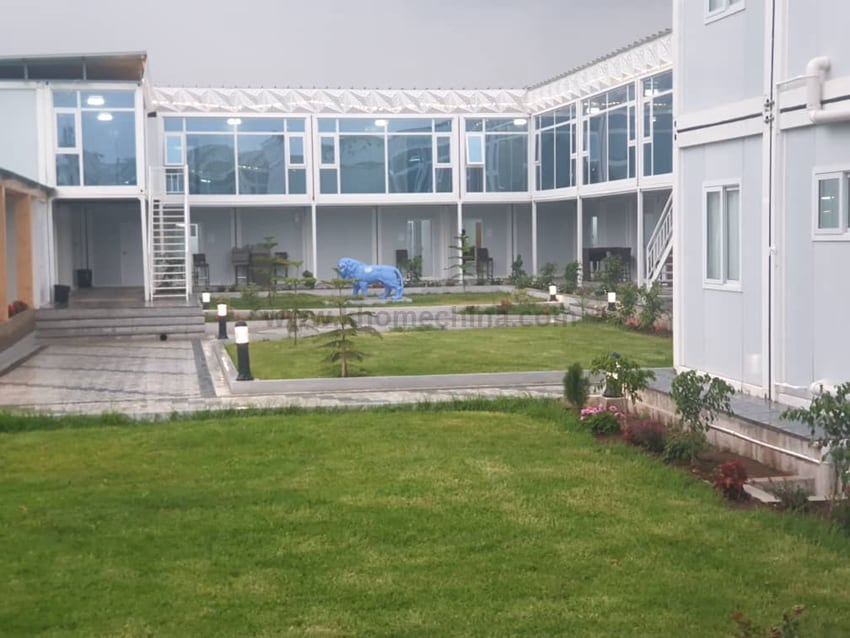
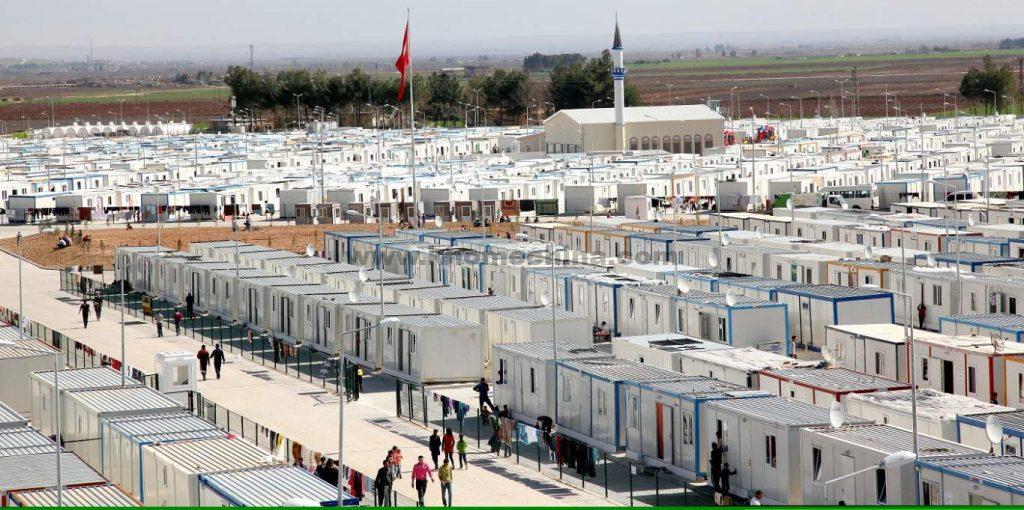
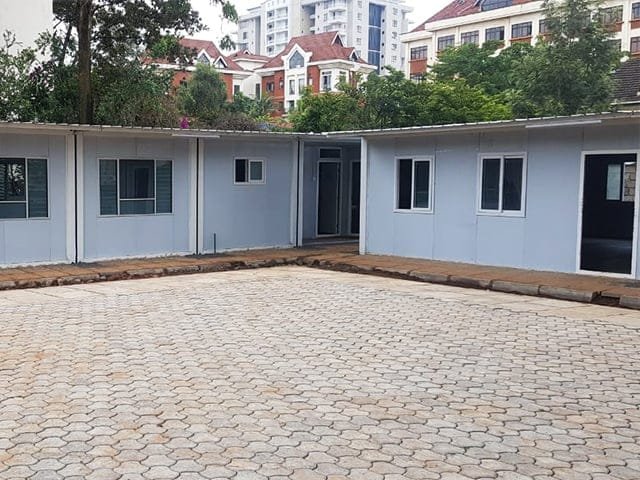
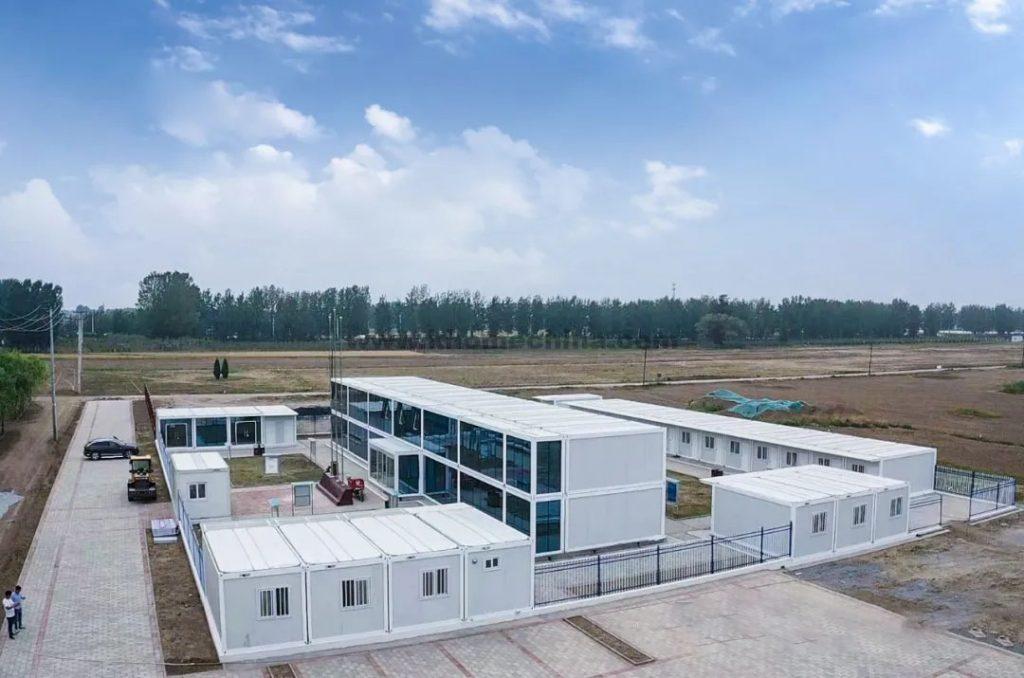
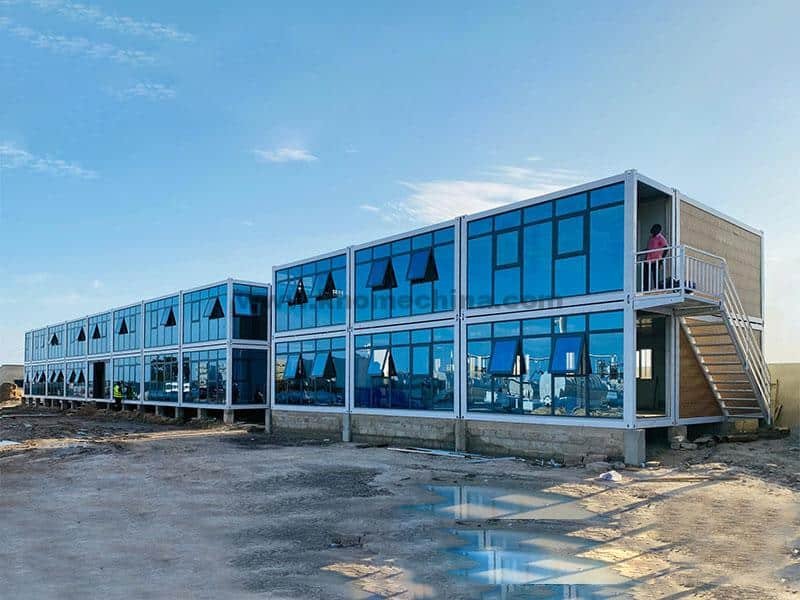
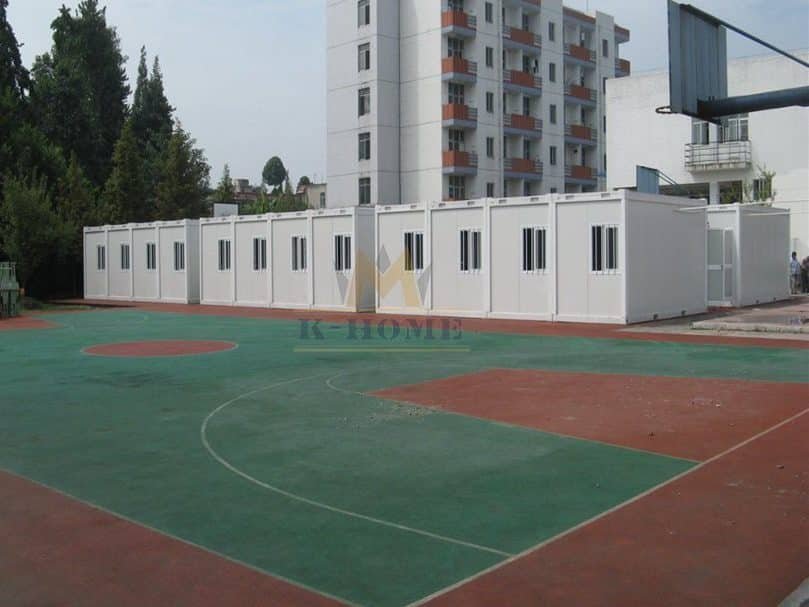
K-HOME has implemented a wide range of overseas engineering projects worldwide, focusing on delivering high-quality solutions for modular buildings. These projects span vastly different geographical regions with unique climatic conditions, from humid and rainy coastal zones and arid sandy deserts to areas frequently hit by typhoons. All these regions have a growing demand for offices, accommodations, and supporting camps, and modular buildings have become the top choice for most projects thanks to their exceptional adaptability. The compatibility of modular construction with local climates directly determines whether a project can proceed smoothly and operate stably over the long term.
On-site construction of traditional buildings is highly vulnerable to adverse weather conditions. Severe weather events – including heavy rainfall, extreme heat, and sandstorms – often cause direct construction delays. Once completed and put into service, traditional structures frequently suffer from issues like water leakage, accelerated material aging, and structural damage, which steadily increase the costs of later maintenance and component replacement. In contrast, modular construction effectively avoids these drawbacks through scientific design and standardized factory production.
K-HOME’s modular building solutions have gained rapid traction in global projects, as we develop customized technical plans for modular construction tailored to the climatic features of different regions. Unlike conventional traditional buildings, our region-specific prefabricated modular buildings guarantee stable performance even in harsh climatic environments, effectively extend building service life, and enable more rational control over overall project investment.
Drawing on our hands-on project delivery experience, we explain the targeted design ideas and practical application methods of modular construction for diverse climatic conditions, delivering professional and reliable modular building solutions for teams with construction demands across the globe.

Advantages of K-HOME’s Prefabricated Modular Construction Solutions
Our modular buildings are fully prefabricated in factory-controlled environments, including the main steel structure, external wall panels, and interior supporting facilities. Completed modules are then delivered to the project site for fast on-site assembly. This efficient modular construction approach not only satisfies the practical demands of global projects across different regions but also allows flexible production adjustments to match local climatic conditions. This makes modular buildings highly adaptable to diverse on-site environments and fully unlocks the inherent benefits of professional modular construction solutions.
Factory-integrated prefabrication is completely free from on-site weather disruptions, avoiding construction delays caused by heavy rain, high temperatures, or other extreme conditions—one of the most prominent advantages of modular buildings. Standardized component production ensures strict quality control and consistent performance, a key strength of our modular construction systems. Furthermore, the structural design and material configurations of modular buildings can be flexibly optimized for harsh environments such as high humidity, extreme heat, sandstorms, and frequent typhoons. Wall thickness, insulation materials, roof design, and main frame structures can all be customized according to regional climate features, making our modular construction solutions more targeted, durable, and practical.
In addition, all module sizes are designed to fully comply with international ocean and land transportation standards, with no extra modification or disassembly required, greatly simplifying global logistics. For projects that need later relocation or layout adjustment, modular buildings can be easily disassembled and reused, effectively reducing overall costs from initial construction to long-term operation. This further enhances the cost-efficiency and sustainability of our modular construction solutions.
Tropical Rainy Climate: Modular Buildings Solutions for the Philippines Container Dormitory Project


Impact of Humid and Rainy Climate on Modular Construction
Most parts of Southeast Asia experience year-round high temperatures and persistent high air humidity. The rainy season is not only long-lasting but also characterized by heavy, concentrated rainfall, while coastal areas are subjected to long-term salt spray corrosion. As a typical tropical marine climate region, the Philippines has year-round high temperatures, heavy rainfall, and high humidity, along with frequent typhoons and severe coastal salt spray corrosion. These climatic conditions impose strict requirements on prefabricated container buildings; the structures must possess four core properties—rain resistance, moisture resistance, wind resistance, and salt spray resistance—to ensure the stable implementation of modular construction solutions.
Targeted Solutions for Modular Construction in Humid and Rainy Climate
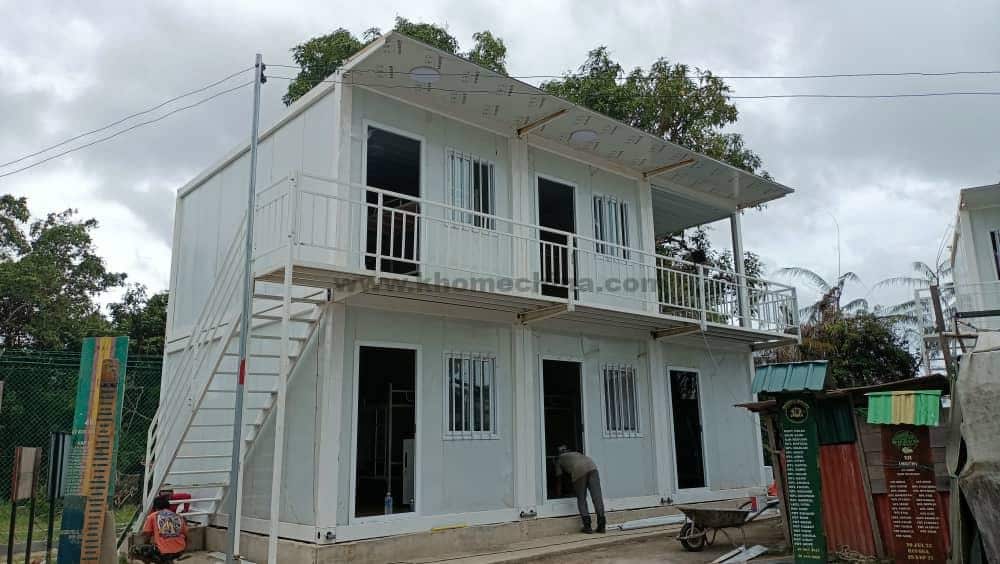
Considering the local environment of heavy rainfall, high humidity, and frequent typhoons, our architectural design focuses on key requirements, including rainproofing, moistureproofing, wind resistance, corrosion resistance, salt spray resistance, insect prevention, and mold prevention to create optimized modular building solutions. The main structure of the prefabricated modular buildings adopts a moisture-resistant and rust-proof light steel frame. Especially for coastal projects, we have enhanced anti-corrosion techniques to effectively resist the impact of salt spray corrosion and high humidity on the modular construction structure. The roof is designed with a proper drainage slope for rapid rainwater discharge, and all splicing joints and door/window edges are treated with multi-layer sealing to fundamentally avoid rainwater leakage, ensuring the durability of the modular buildings.
The prefabricated modular buildings adopt an elevated foundation design to effectively block ground moisture from seeping upward, paired with moisture-proof enclosure panels to keep the indoor environment dry at all times. Given the frequent typhoons in the Philippines, we have reinforced the wind pressure resistance of the main modular construction frame and connectors, and strengthened the connections between the roof and walls to prevent structural loosening in strong winds. This ensures that the modular buildings can adapt well to the complex environment alternating between typhoons and rainy seasons, making our modular construction solutions fully applicable.
Implementation of Modular Dormitory Buildings Projects in the Philippines
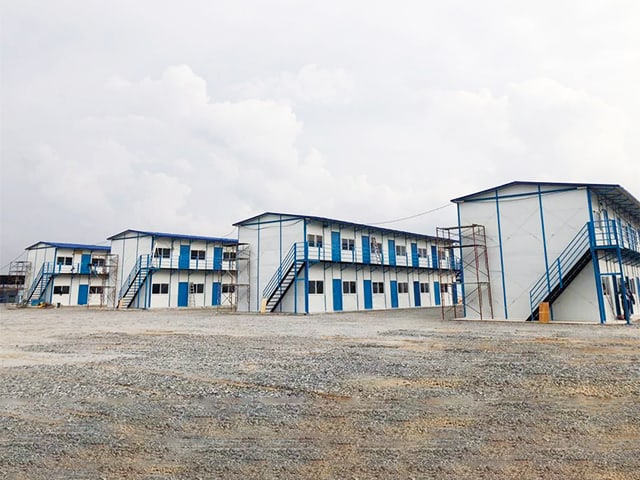
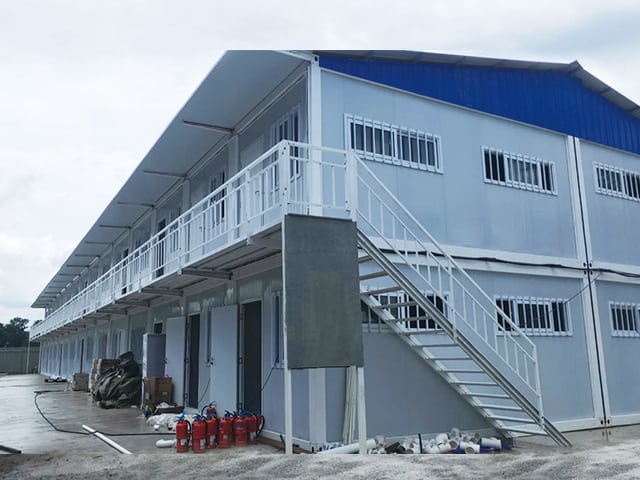
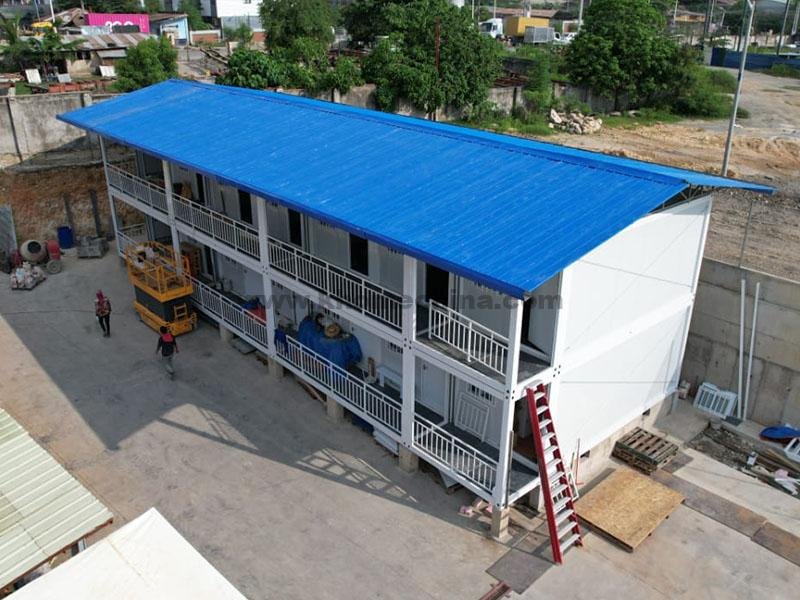
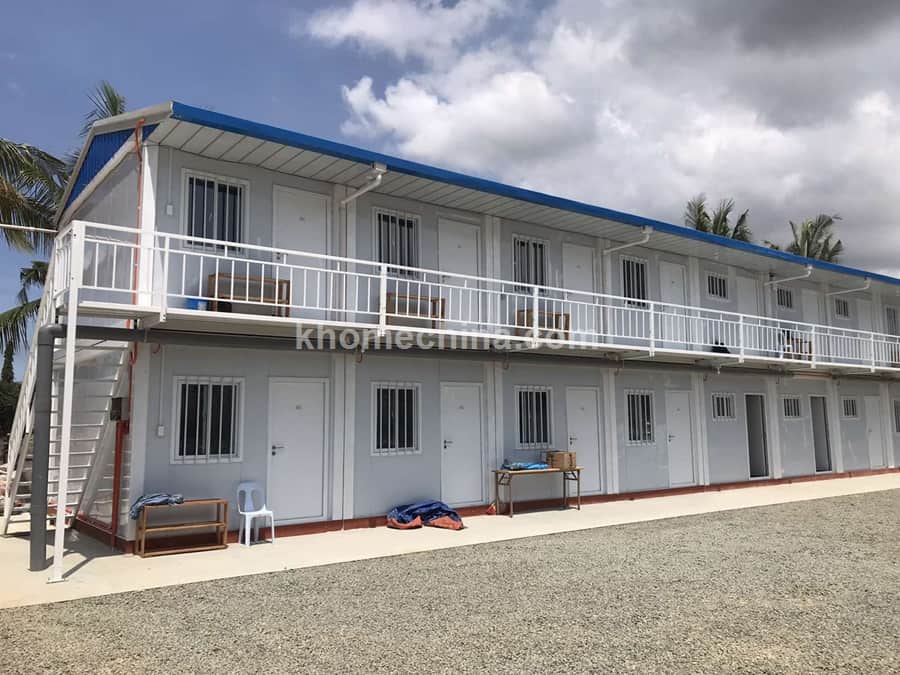
We have applied this set of modular construction solutions to prefabricated worker dormitory projects in many parts of Southeast Asia. The on-site assembly efficiency of prefabricated modular buildings is high, with no complex construction such as secondary welding, greatly shortening the project cycle. These modular building solutions can stably withstand the region’s long rainy season and high humidity, with no mold, leakage, or corrosion after being put into use. Among them, the modular construction accommodation project in the Philippines has successfully stood the test of typhoons and heavy rainfall, with an intact building structure that fully guarantees the long-term safety and comfort of workers, fully verifying the reliability of our modular building solutions.
Tropical Desert Climate Solution: Modular Office Camp Project in Saudi Arabia
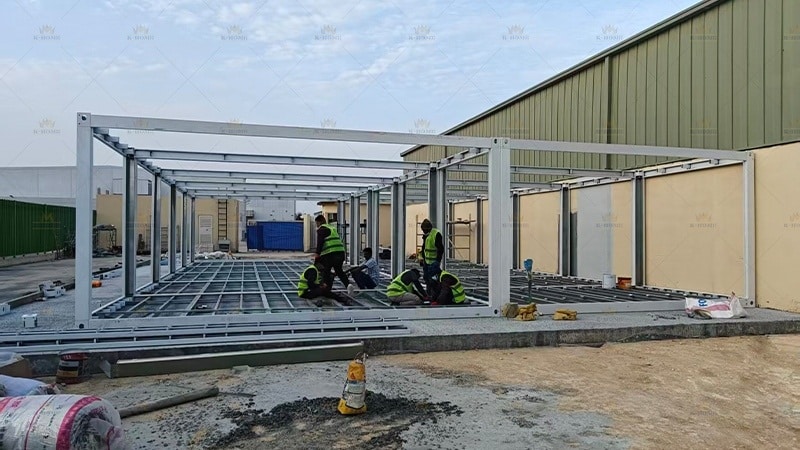


Environmental Challenges in Desert Areas for Modular Construction
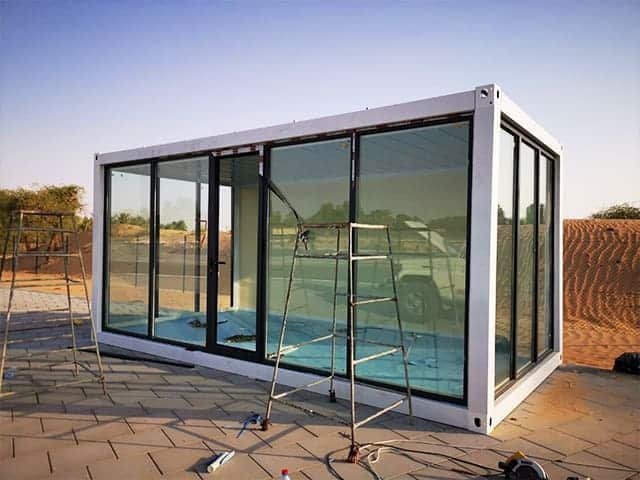
Saudi Arabia’s desert regions feature a typical hot and arid climate, with extremely high summer temperatures, intense solar radiation, frequent sandstorms, and sharp diurnal temperature fluctuations. During long-term operation, modular buildings are prone to issues such as indoor overheating, high cooling energy consumption, sand intrusion, external material aging, and structural deformation caused by thermal expansion and contraction. These challenges require targeted modular construction solutions to ensure the stability and durability of prefabricated modular buildings.
Customized Solutions for Modular Construction in Saudi Arabia Implemented Projects
Combined with Saudi Arabia’s climatic characteristics of high temperatures and frequent sandstorms, our architectural design focuses on core issues, including thermal insulation, dust prevention, and adaptation to diurnal temperature differences, providing customized modular building solutions.
The walls of our prefabricated modular buildings adopt thickened double-glass magnesium rock wool sandwich panels. This material, with excellent thermal insulation performance, forms an internal and external thermal insulation enclosure system, effectively blocking outdoor high temperatures and reducing external heat conduction into the interior, thus ensuring a comfortable and stable indoor environment.
Meanwhile, we have performed strict sealing treatment on all gaps and door/window peripherals of the modular construction, and installed special dust-proof structures at air vents to prevent sand intrusion. The doors and windows are 1-hour fire-rated, further enhancing the safety performance of the modular buildings. All fittings used in the prefabricated modular buildings are made of stainless steel, which effectively avoids component damage caused by sand erosion and temperature fluctuations, comprehensively ensuring the stability of the modular construction and its long-term reliable operation—this is the core of our modular building solutions for desert areas.
Modular Prefab Building Office Solutions for Humid Tropical Areas in Mozambique


Modular Construction: Considerations of Local Environmental Factors in Mozambique
Located in southeastern Africa, Mozambique features year-round hot and humid weather, with concentrated rainfall during the rainy season and consistently high humidity in both the soil and the air. For office-focused modular buildings, it is essential to maintain dry indoor conditions, prevent rainwater backflow and structural moisture corrosion, while meeting high standards for building stability and ventilation. These requirements serve as the key basis for our modular construction solutions designed for this region.
Modular Construction Office Solutions Implemented in Mozambique
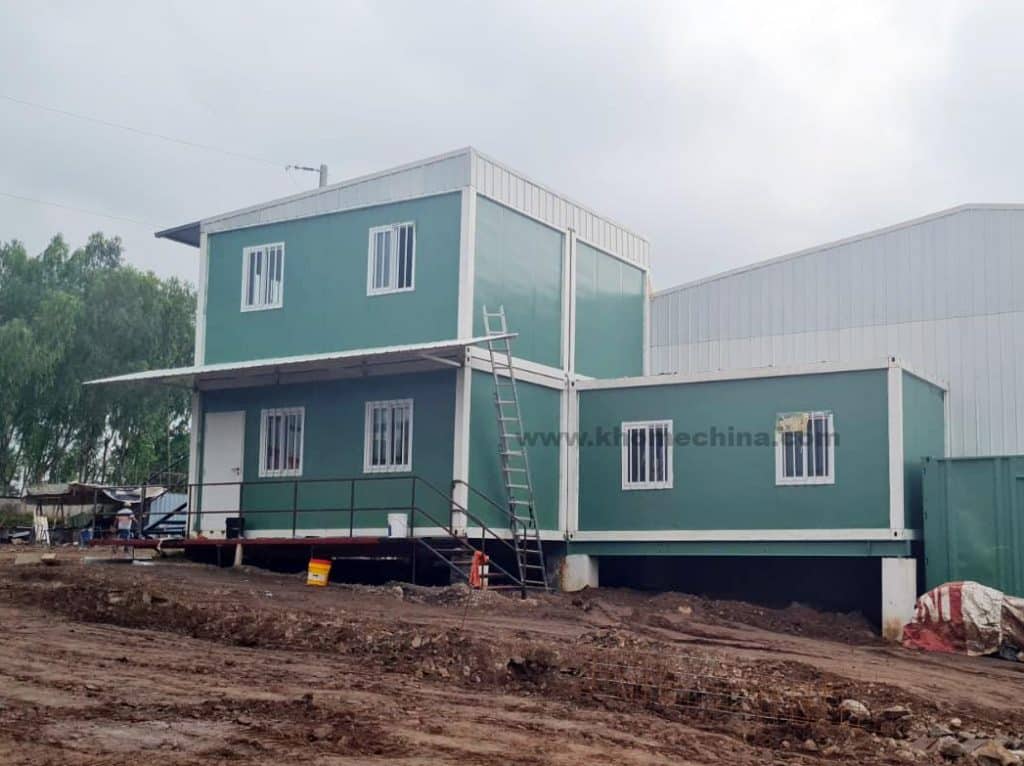
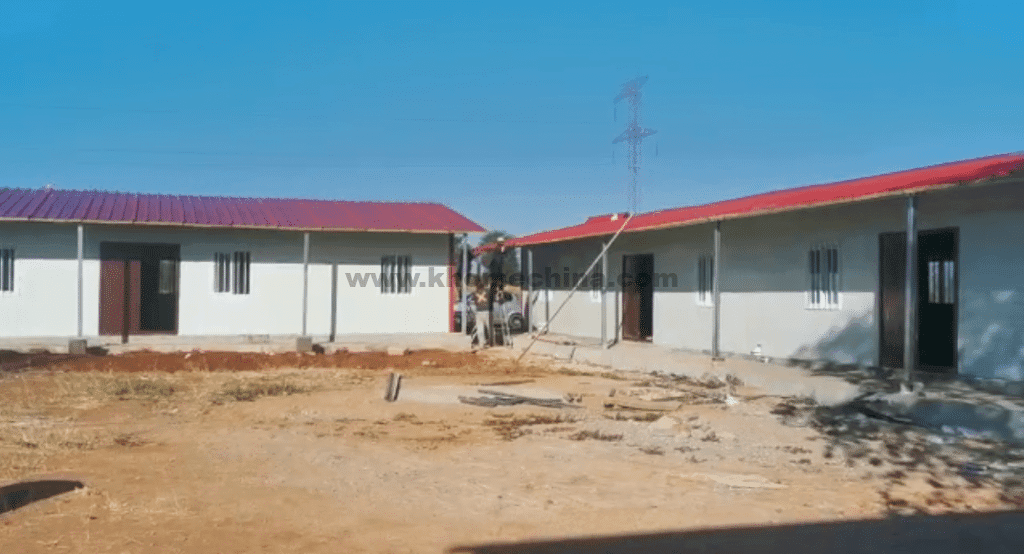
Our prefab modular office buildings focus on structural rust prevention, thermal insulation, moisture resistance, and waterproofing—key components of our modular building solutions. The main structure of the modular construction office adopts a galvanized, rust-proof steel frame, specially adapted to the long-term high-humidity environment. The external wall insulation sandwich panels of the modular buildings provide both thermal insulation and moisture barrier functions, blocking the transmission of outdoor hot and humid air. The doors and windows of the prefab modular buildings are hermetically sealed to prevent rainwater backflow during the rainy season. Additionally, we optimize the indoor ventilation layout to maintain a comfortable office space year-round, boosting work efficiency and fully demonstrating the pertinence of our modular construction solutions.
Tropical Savanna Climate Solution: Prefab Modular Construction Accommodation in Tanzania


Modular Construction: Impact of Tropical Savanna Climate in Tanzania
Tanzania features a distinct tropical savanna climate, with hot and dry seasons alternating with hot and humid rainy seasons. Field-based modular construction projects encounter complex foundation conditions and widespread mosquito infestations, requiring temporary modular buildings that offer rapid deployment, ventilation, moisture resistance, and flexible mobility—while integrating both residential and storage functions. These practical needs form the core of our modular building solutions designed for this region.
Prefab Modular Buildings: Practical Application of Customer-Tailored Solutions
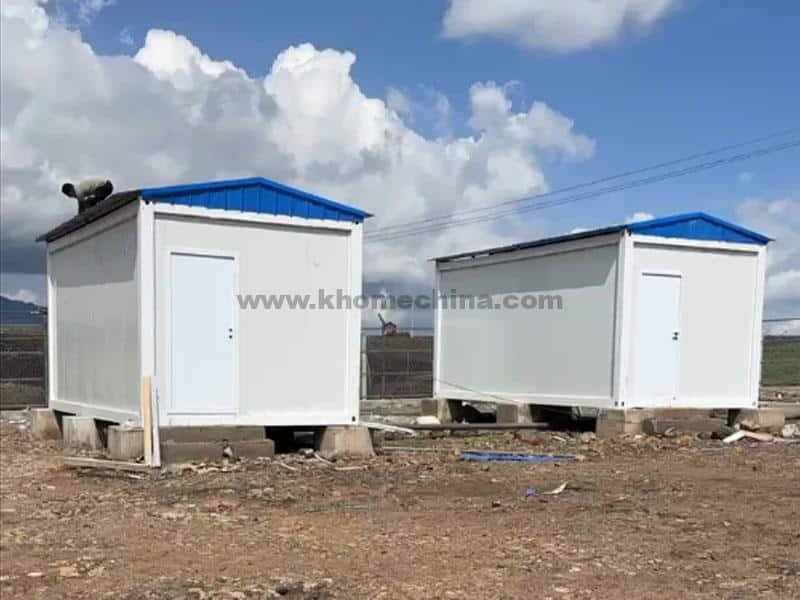
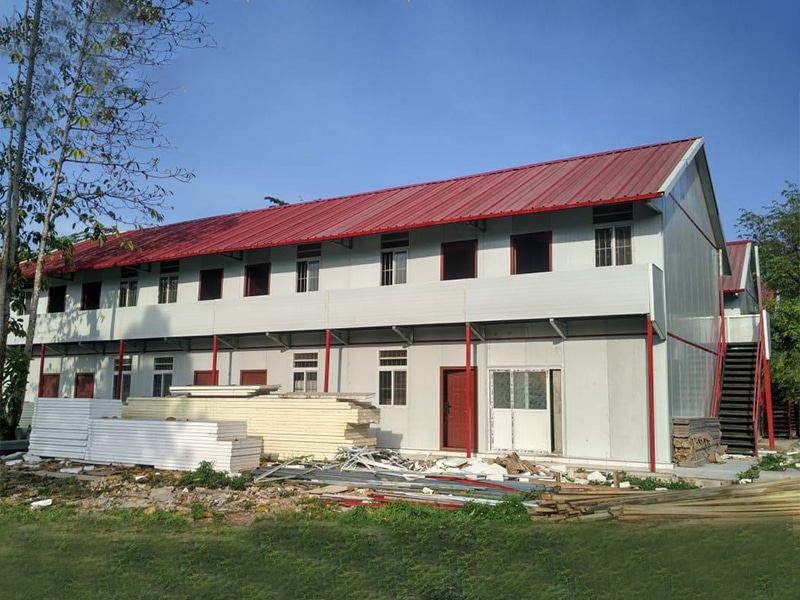
Our prefabricated accommodation modular buildings are designed with ventilation, moisture resistance, rapid drainage, insect prevention, and flexible adaptability, targeted at modular construction solutions. The prefab modular buildings adopt an elevated foundation to block ground moisture; the roof is designed with an enhanced drainage slope to quickly drain rainwater during the rainy season; the walls of the modular construction use breathable, moisture-proof panels to reduce indoor stuffiness and humidity.
Insect-proof facilities are installed to adapt to field usage scenarios, and the modular building modules can be flexibly moved and assembled to meet the layout adjustment needs of construction sites, fully fulfilling customers’ practical requirements for prefab modular buildings.
Modular Construction Case Study in Jamaica’s Tropical Marine Climate


Local Geography, Climate and Their Impacts
Jamaica has a tropical marine climate, with complex and varied landforms. Most of the island is made up of mountains and limestone plateaus, with big elevation changes. This uneven terrain means rainfall is very different from one area to another.
Because of its climate, most rainfall in Jamaica comes as short, heavy downpours and thunderstorms. These intense, brief rain events put a lot of pressure on the drainage systems and foundations of prefab modular houses.
Modular Buildings Climate Challenges in Jamaica
- Hurricane risk: Jamaica’s hurricane season lasts from June to November every year. Strong winds are the biggest threat to the structural safety of modular homes.
- Salt spray corrosion: Coastal areas are always exposed to salt spray from the Caribbean Sea. This speeds up rust on steel structures and aging of exterior wall materials, which hurts the long-term durability of modular construction.
- Geological hazard risks: Mountainous areas have soft soil, which is likely to slide after heavy rain. This means modular buildings need foundations with extremely high stability.
Our Weather-Adapted Solutions for Prefab Construction Projects
When dealing with Jamaica’s complex, changing natural environment, we factor in local geography, climate, and our client’s project needs from the very start of the design process. We also consider all potential risks and how to boost disaster resistance.
For the structure, we’ve fully strengthened the frame system of our prefab modular houses. We added extra reinforcement at key connection points, like structural corner fittings, to boost overall stability. We also put chain anchoring devices between the foundation and modules, creating a reliable wind-resistant system. This design holds up against strong winds during hurricane season and the safety risks from heavy rain, ensuring our modular buildings stay stable and safe, even in bad weather.
Want to Explore More Custom Projects from K-HOME?
Product Types and Practicality of K-HOME’s Modular Buildings
Our modular building products can be customized to match different climate scenarios, covering the diverse needs of global projects.
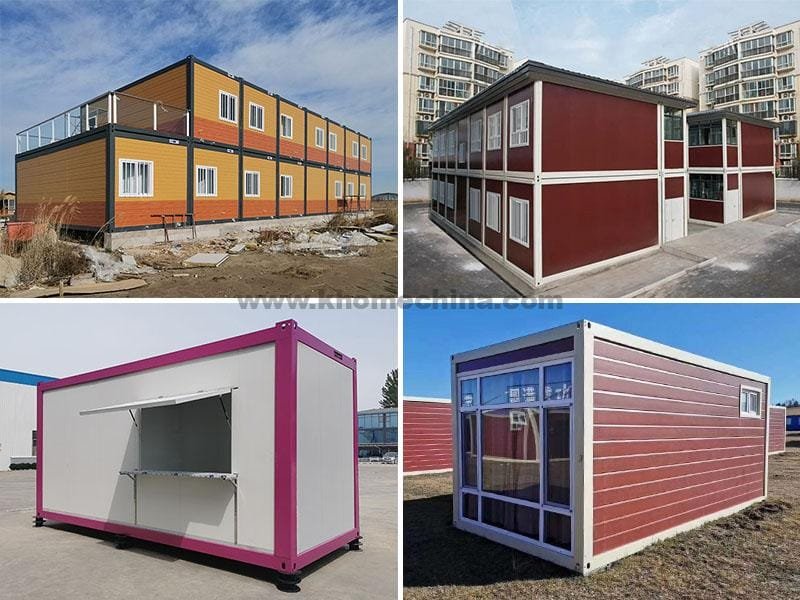
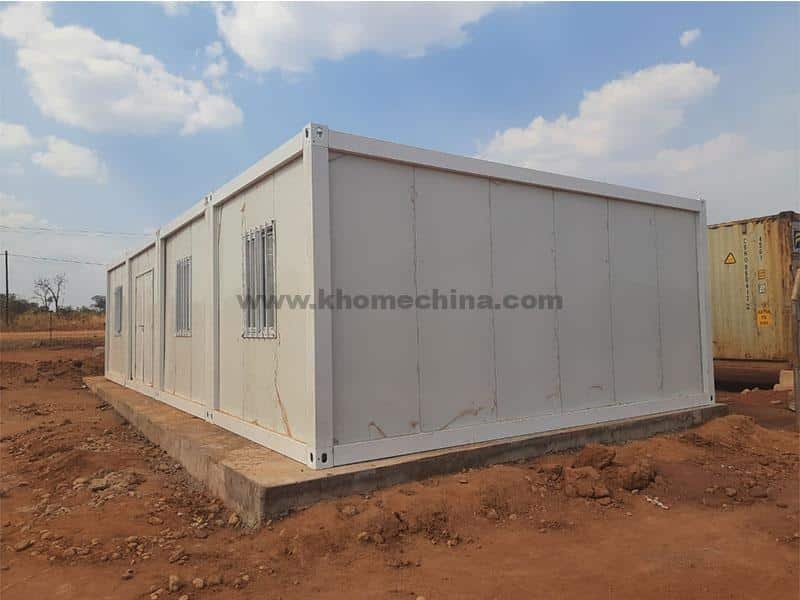
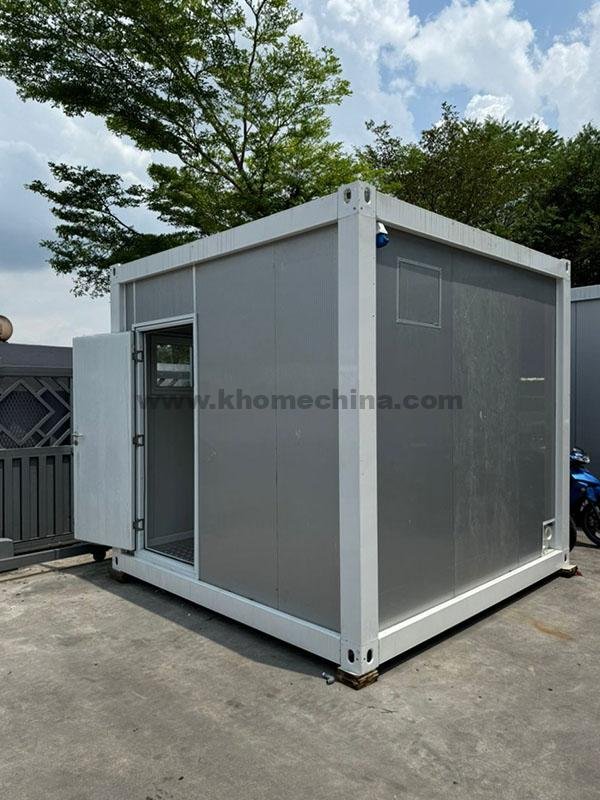
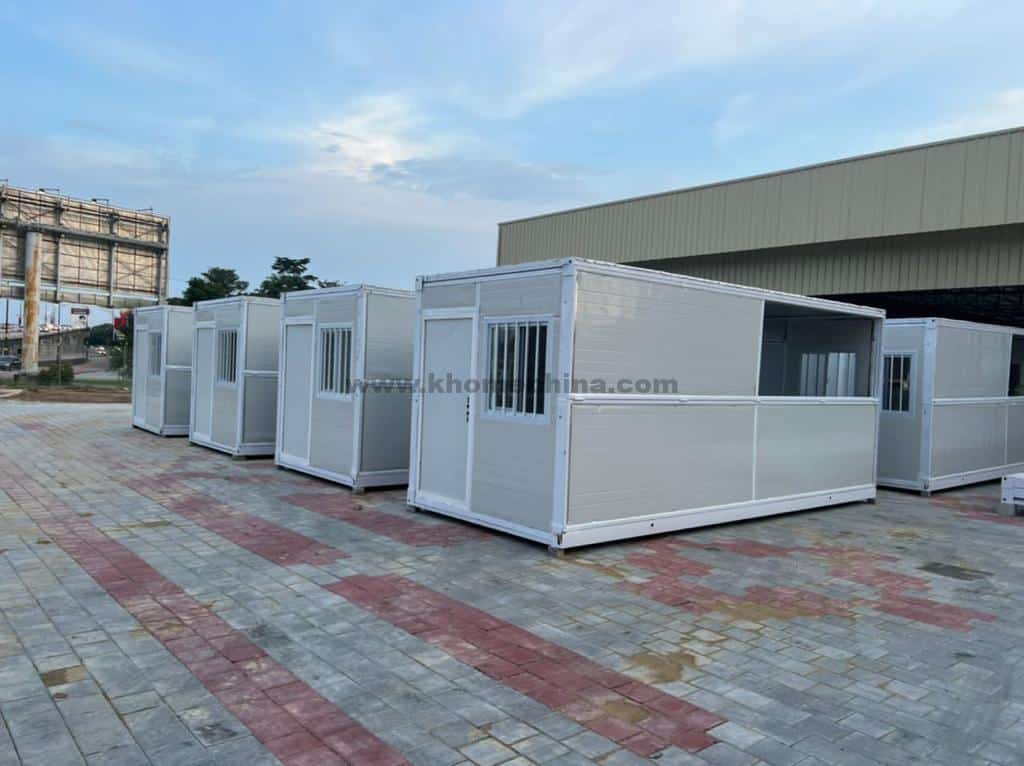
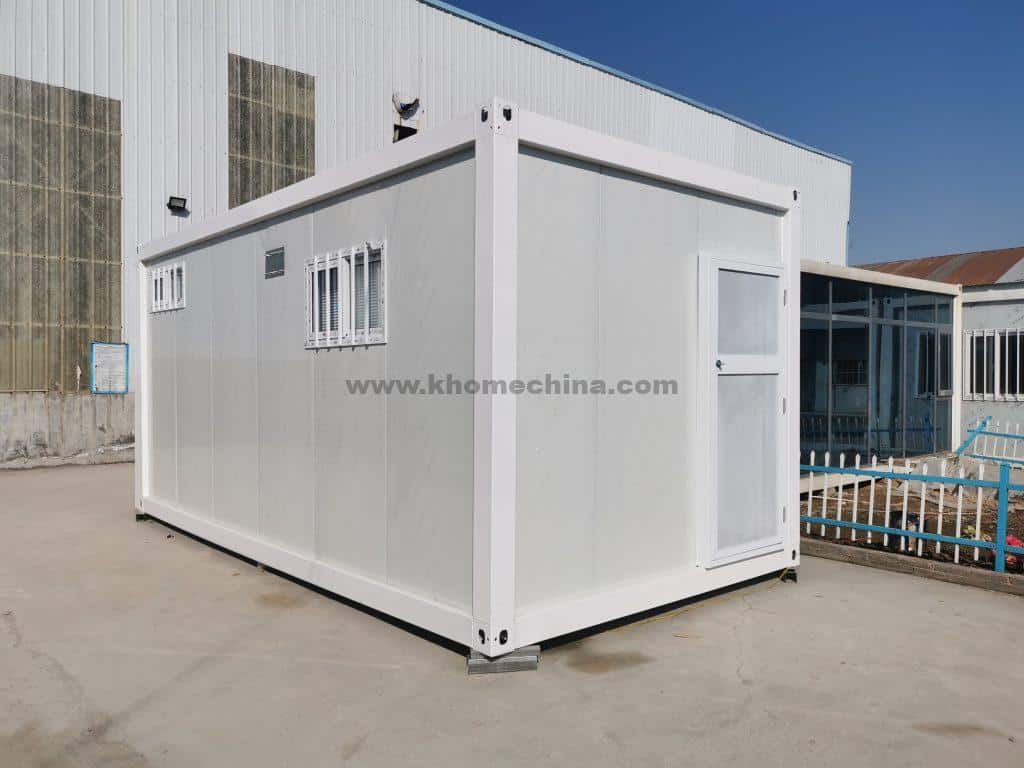
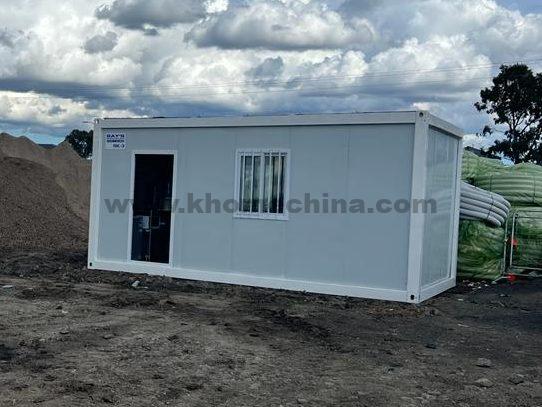
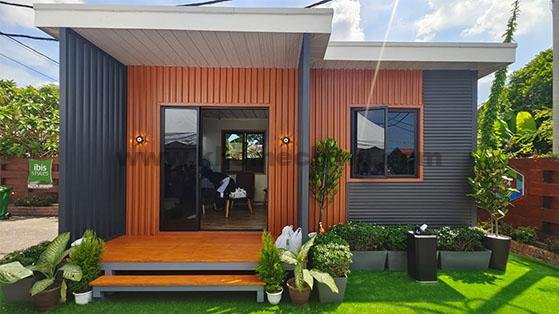
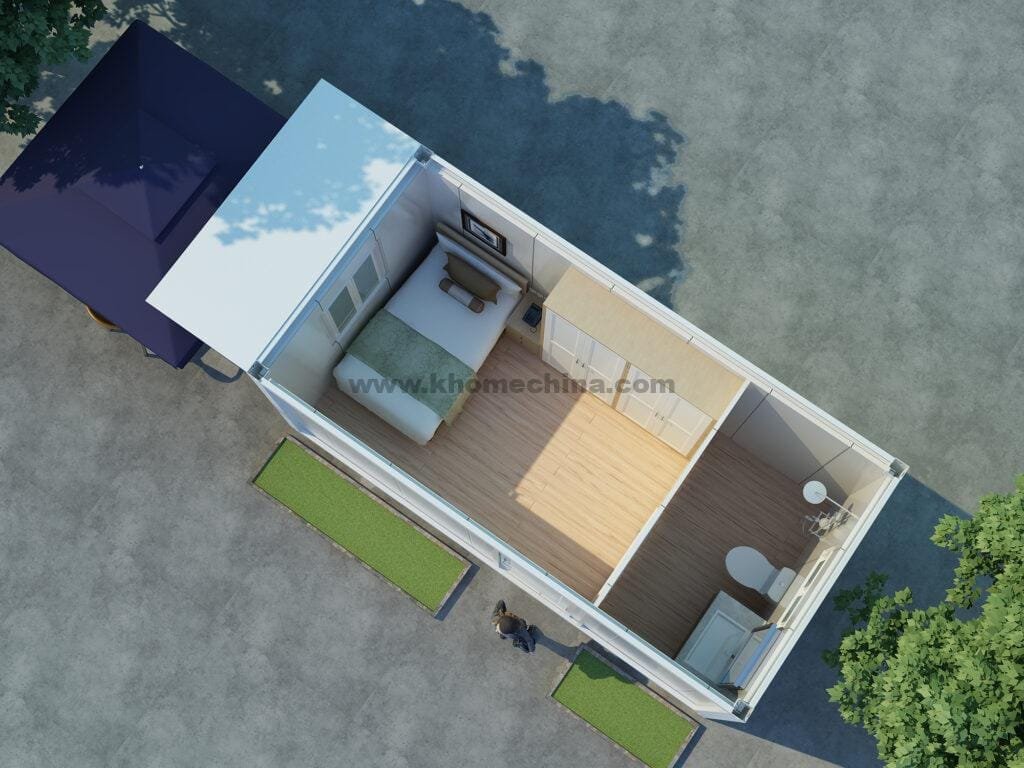
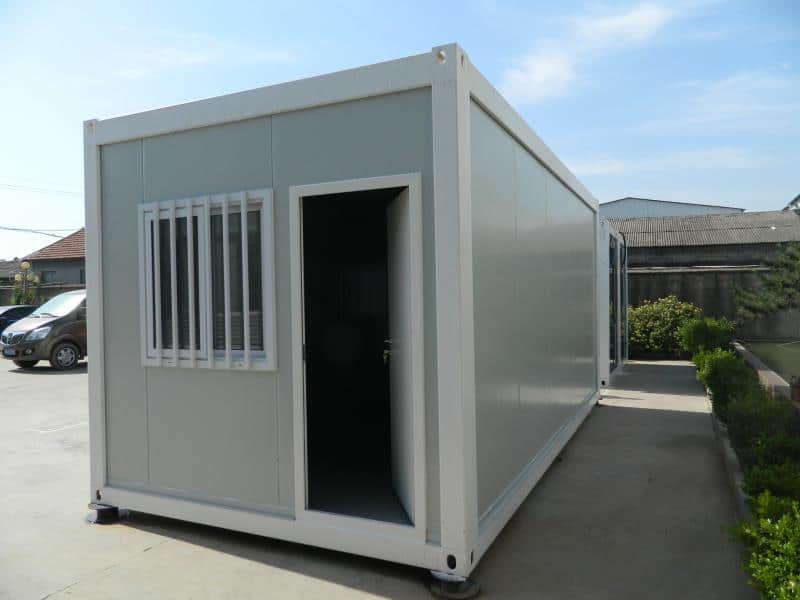
Prefab Container Houses
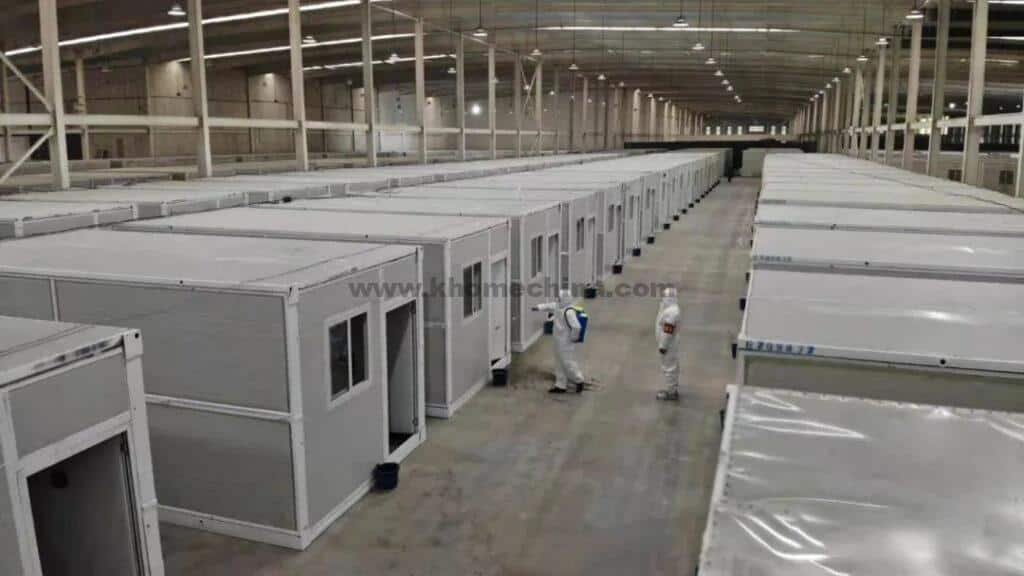
- Product types: detachable container house, flat-pack container house, foldable container house
- Standard sizes: 5950*3000*2800mm, 5900*2438*2896mm, 5800*2500*2560mm
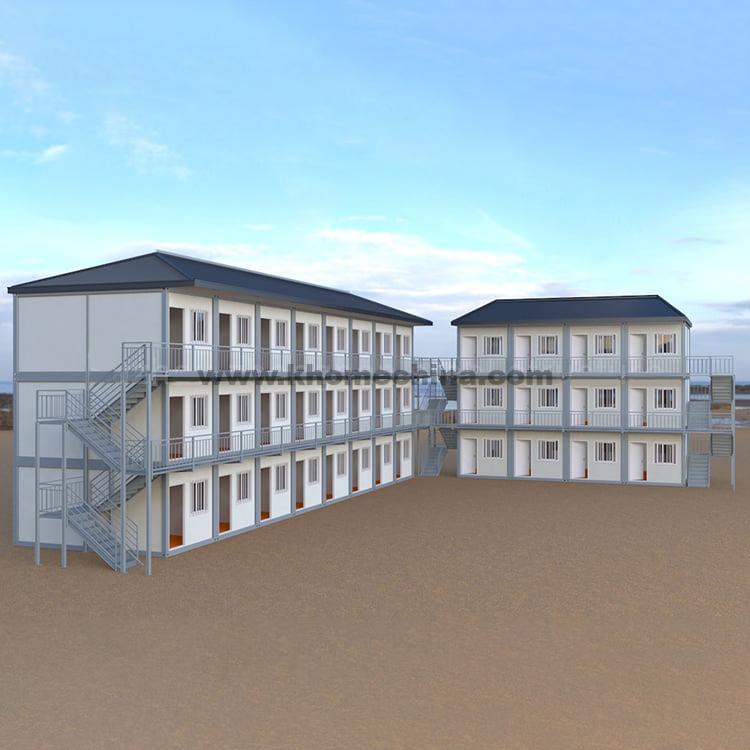
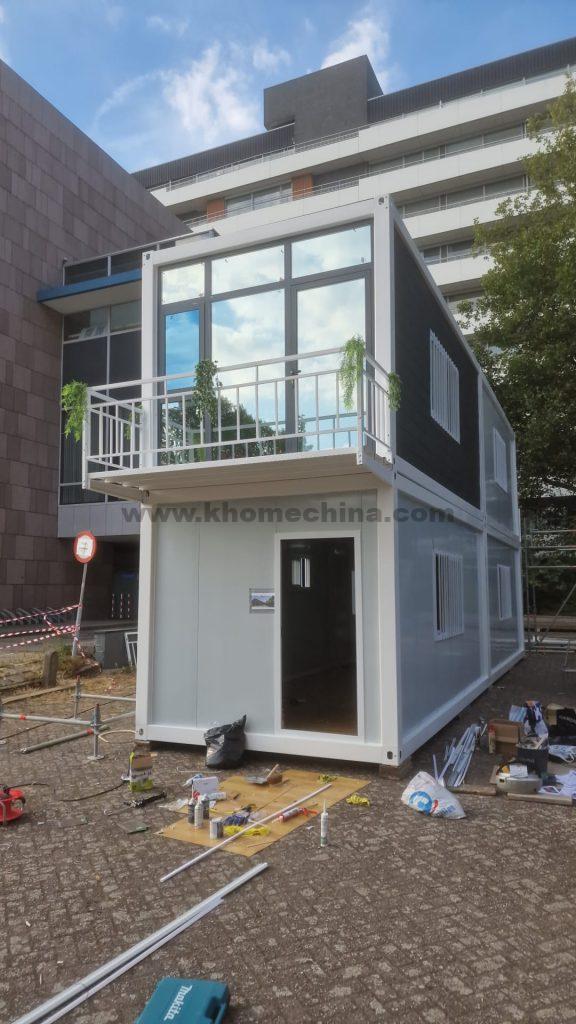
- Appearance design: up to three storeys in combined height
- Building highlights: pre-embedded electrical circuit system and drainage system
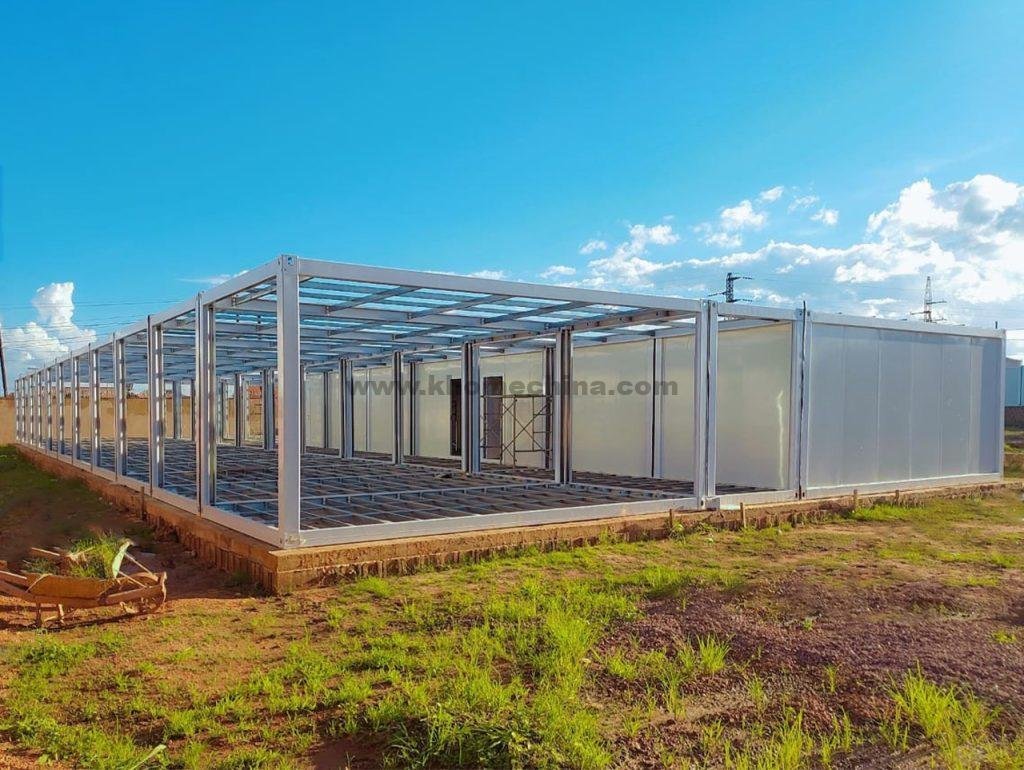
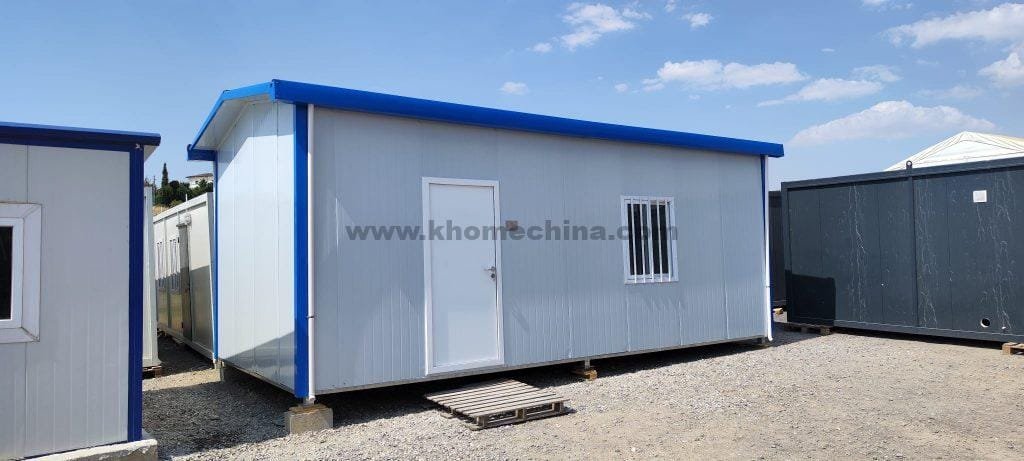
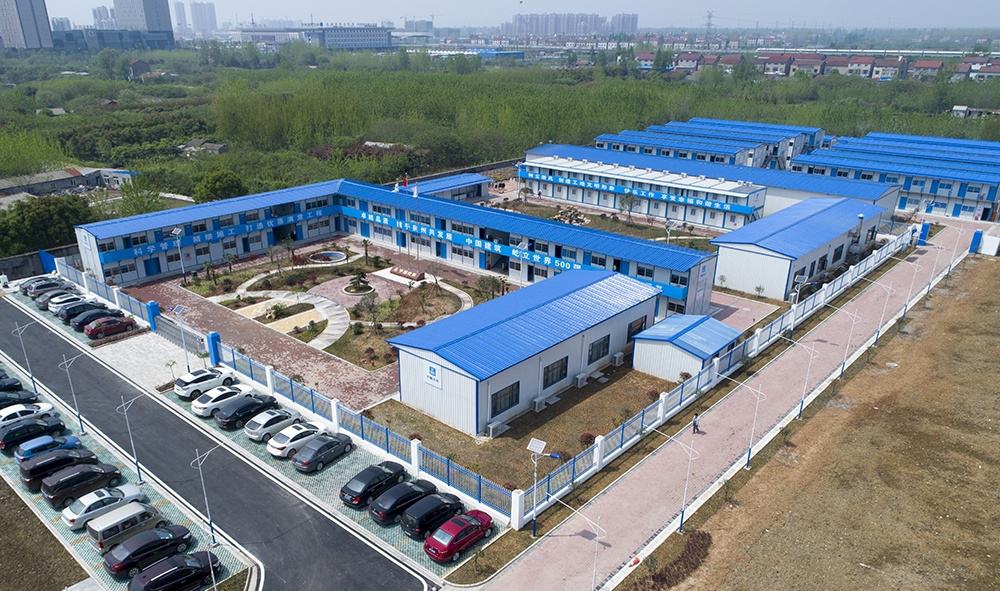
Prefabricated K-type Panel Buildings
- Product size: customized size
- Product structure: bolted connection of light steel frame and color steel sandwich panel with pre-assembled configuration
- Building features: planned in 1K modulus with exposed columns and keels, flexible layout, and customizable doors, windows, and partitions as required.
Prefabricated T-type Panel Buildings
- Product size: customized size
- Building features: light steel assembly with no exposed columns