
Folding Container House Price & Cost Analysis
Your folding site office unit can be assembled in just 10 minutes, saving you 40-50% on labor and time costs with its rapid assembly.
But the core question remains: while it’s fast, is it affordable? Many buyers have the same question.
At K-HOME, a 20-foot folding container house unit has a factory price of approximately $1,200 to $2,000.
Please note that this is typically a starting price. In reality, the price of a collapsible container home is not fixed but is influenced by various factors, such as size, customization, and installation location.
You need to understand the price range and potential hidden costs to develop an accurate budget.
So, what is the overall investment range for a collapsible container home? What factors are subtly influencing price fluctuations? Below, we will analyze the price range of collapsible container homes in detail and delve into the core variables affecting their costs. Mastering this information will allow you to make an informed choice.
How Much does a Folding Container House price?
The specifications and manufacturing process of the frame (the core structure of a foldable container house) are the primary factors determining a folding container house price. Frames of different specifications vary significantly in load-bearing capacity and durability, directly impacting the lifespan and applicability of the house. To meet diverse market demands, we offer two main configuration options: a standard basic version and a high-performance upgraded version.


⭐⭐⭐
basic


⭐⭐⭐⭐⭐
premium
Price Impact Analysis:
Frame Steel Differences: The upgraded version typically means a 15-30% increase in frame cost, but this translates to a longer service life and lower maintenance frequency.
System and Accessory Differences: Automated folding systems and high-performance accessories directly impact initial investment, but from a total cost of ownership perspective, they can significantly save on operating time and labor costs.
Selection Recommendation: Clearly defining your usage scenario, budget, and long-term ownership plan is key to choosing the right version. For temporary use, the basic version will suffice. For long-term use or frequent relocation, the premium version offers better long-term value.
5 Key Factors Affecting the Folding Container House Total Cost
The quoted price for the above-mentioned folding container house units is only the factory price for the standard configuration. To develop an accurate total cost budget, you need to combine the base factory price with variables across the following five key dimensions. Each factor can significantly impact the final investment.
1. Size and Spatial Layout
The prices mentioned above are based on a standard 20-foot unit, which is the most economical option for balancing transport efficiency and usable space. The cost structure will fundamentally change when your project has a more complex spatial layout (e.g., integrated bathrooms and kitchens). Each additional functional module or non-standard cut means added costs for materials, labor, and design.
2. Materials and Construction Specifications
Our standard units use proven steel and 50mm rock wool sandwich panels to provide reliable cost-effectiveness. If your project faces extreme weather, high load requirements, or requires a longer service life, upgrading materials will be a necessary option:
- Frame Upgrade: Uses higher-strength weather-resistant steel and thicker square tubing.
- Envelope System Upgrade: Increase wall thickness (e.g., 75mm/100mm sandwich panels) and replace insulation core materials (e.g., fire-resistant rock wool boards or superior insulation polyurethane).
Cost Impact: Material upgrades typically increase unit costs. However, they significantly improve building durability, insulation performance, and overall safety.
3. Interior Configuration and Additional Options
From the “outer shell” to the “occupiable space,” interior configuration is where costs fluctuate the most.
- Basic Unit Delivery: Includes the structure, basic envelope, and basic lighting system; this cost is already included in the factory price.
- Turnkey Delivery: In addition to the basic unit, furniture, appliances, bathroom fixtures, and kitchen systems must be included. This can be added modularly as needed and is a key focus of budget planning.
4. Procurement Quantity
Purchase quantity directly affects total cost. The cost of a single customized unit is the highest. Bulk purchasing, however, triggers significant economies of scale:
- Material Conservation: Bulk raw material procurement yields lower unit prices.
- Production Optimization: Mass production of standardized modules greatly improves production line efficiency.
- Comprehensive Discounts: Generally, the larger the total order volume, the higher the overall discount, and the lower the average unit cost.
5. Logistics Costs
The entire logistics process from the Chinese factory to the project site is a significant and highly variable component of the total cost. Costs mainly include:
- International Shipping: Affected by fluctuations in container freight rates and fuel surcharges.
- Customs Clearance and Taxes: Import duties, VAT, and customs clearance agency fees in the destination country.
- Inland Transportation: Last-mile transportation from the destination port to the construction site. Remote areas, complex road conditions, or the need for special transportation permits will significantly increase this expense.
Recommendation: After obtaining an FOB quote from the factory, be sure to obtain a door-to-door CIF logistics quote from the freight forwarder to lock in this portion of the budget.
Transparent Pricing from K-HOME, Your Trusted Container House Manufacturer
Choosing an honest and reliable manufacturer is crucial for a smooth procurement process. A clear, detailed quotation protects both parties by eliminating hidden costs and unexpected surprises. Some suppliers may attract buyers with deceptively low initial prices, only to add numerous charges later, ultimately increasing your total project cost.
At K-HOME, we believe in complete transparency. Our formal quotations provide you with clear cost breakdowns under standard international trade terms, including:
- EXW (Ex-Works) Price: The cost of the unit at our factory gate.
- FOB (Free On Board) Price: Includes all costs until the goods are loaded onto the vessel at the port of shipment.
- CIF (Cost, Insurance & Freight) Price: A comprehensive quote covering the product, insurance, and sea freight to your nearest port.
You can choose the term that best fits your logistics capabilities. Regardless of your choice, we ensure a final, all-inclusive cost analysis is presented upfront, empowering you to make a confident and informed decision with no financial ambiguities.
Foldable containers projects based on different price points
The core advantage of foldable container houses lies not only in their rapid construction capabilities but also in their unique flexibility to be relocated with each project. This advantage makes them a highly cost-effective solution for construction sites worldwide.
K-HOME’s folding container houses have been successfully exported to dozens of countries globally, establishing a reliable track record under diverse climates, regulations, and logistical conditions. The following projects offer different total prices and configuration options; you can view them for more information.
foldable sanitary containers (based on basic option)


- Project Background: Staff Dormitories and Sanitary Containers for an Infrastructure Project in Congo
- Core requirement: construction site accommodation with 6 units, including accommodation and sanitation modules.
- Key challenges: Urgent deadline, short usage time, limited budget,Bathroom raised layout
- Solution: Given budget constraints, the client ultimately opted for the basic model. The basic model’s structural configuration was tested and proven to be safe and durable, while also meeting local climate requirements. Its drawback is a relatively short lifespan.
- Project performance: The design of this project met both budget and custom bathroom design requirements.
mining camp (based on premium option)
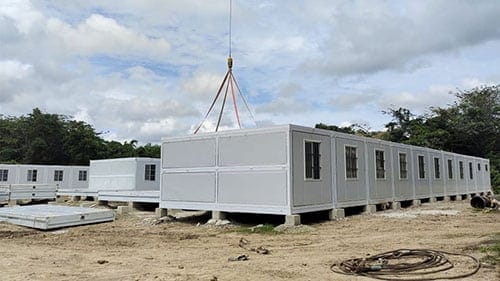
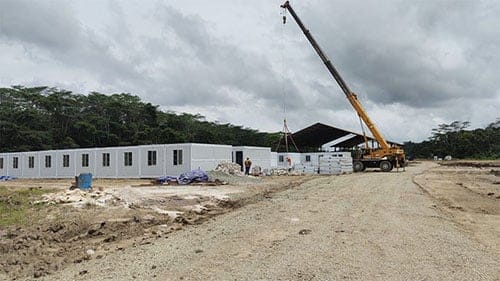
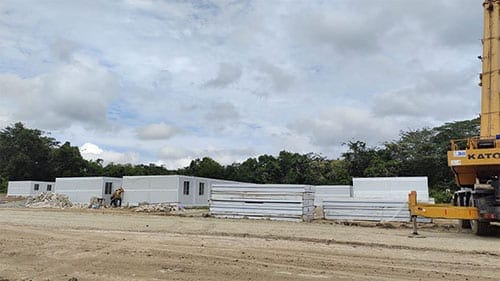
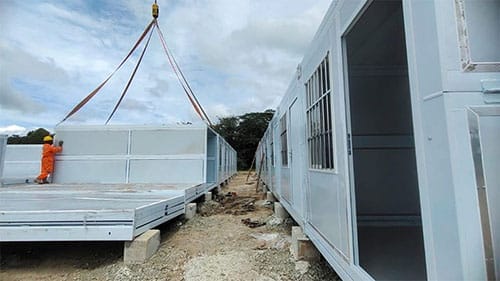
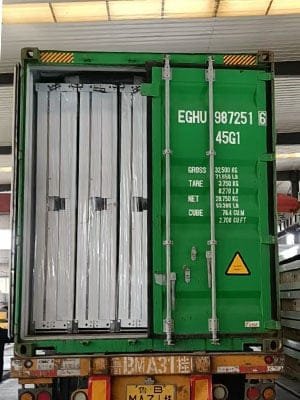
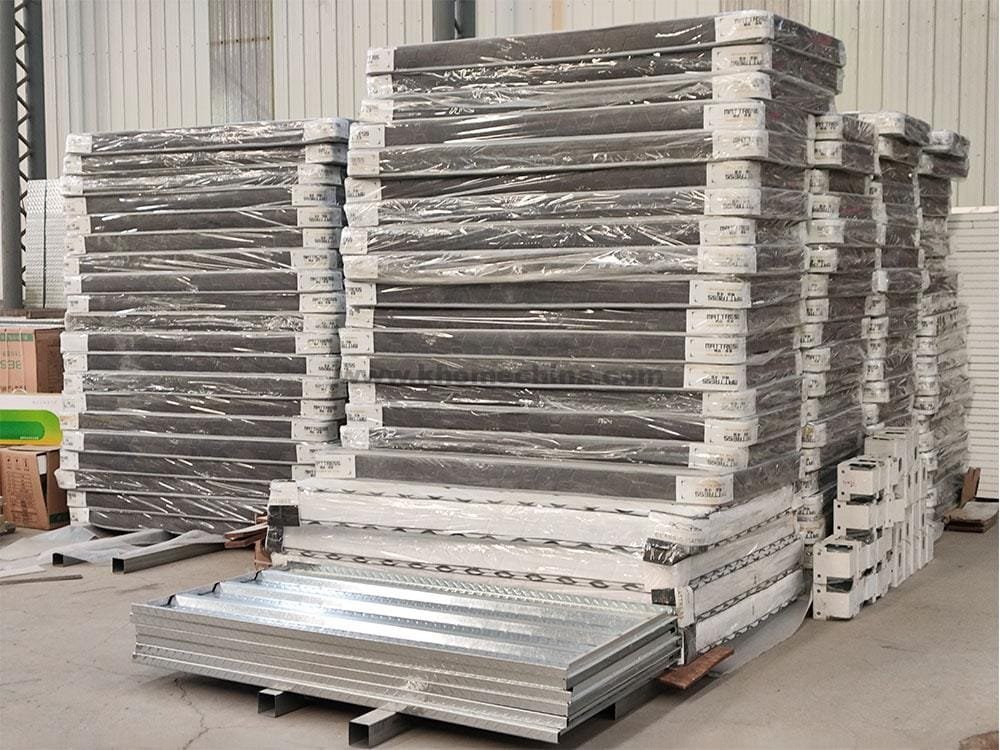
- Project Background: Large-scale mining accommodation camp in the Philippines
- Core requirement: A rapidly deployable camp with 78 units, including accommodation, office, sanitation modules, and furniture.
- Key challenges: tight schedule, frequent disassembly and transportation, and limited on-site installation work.
- Solution: Considering the campsite’s intended use and the need for frequent dismantling, the customer readily chose the premium model. The premium model is made with high-quality materials and is durable.
- Final cost: Approximately $400,000 (turnkey solution)
- Project performance: In this project, the collapsible container saved 15 days of construction time, proving its efficiency in tight deadlines.
related projects
For more than 15 years, K-home has focused on providing long-term affordable, practical, and efficient on-site space management solutions
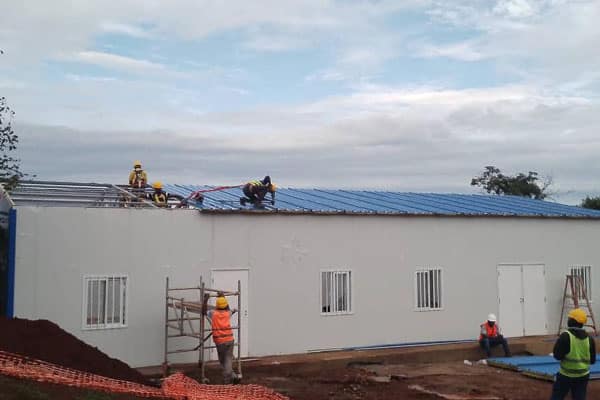
Prefabricated Canteen & Training Rooms for a Remote Mining Camp in Tanzania
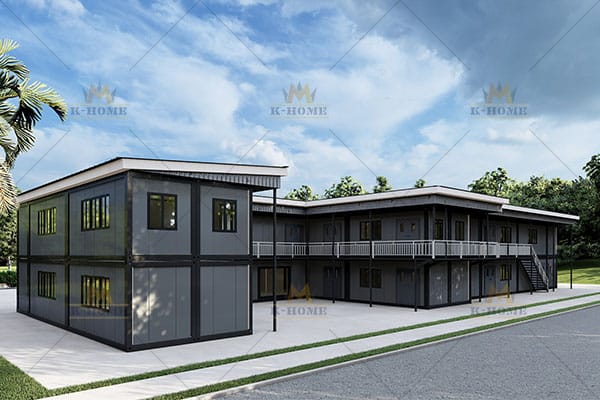
Modular Office Building in Cameroon

Prefab Workforce Housing in Malaysia
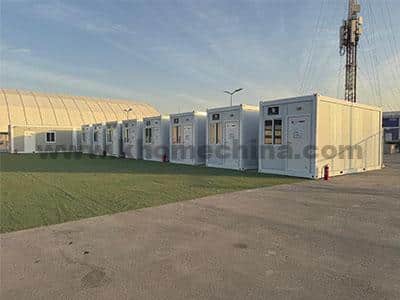
Flat Pack Containers for Music Festival in KSA
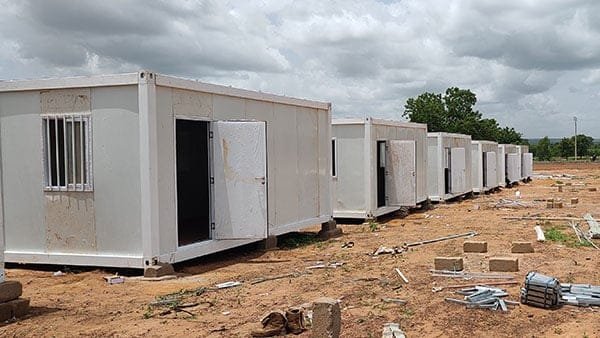
Accommodation Camp in Mali

Folding Container House for mining camp in Indonesia
related articles
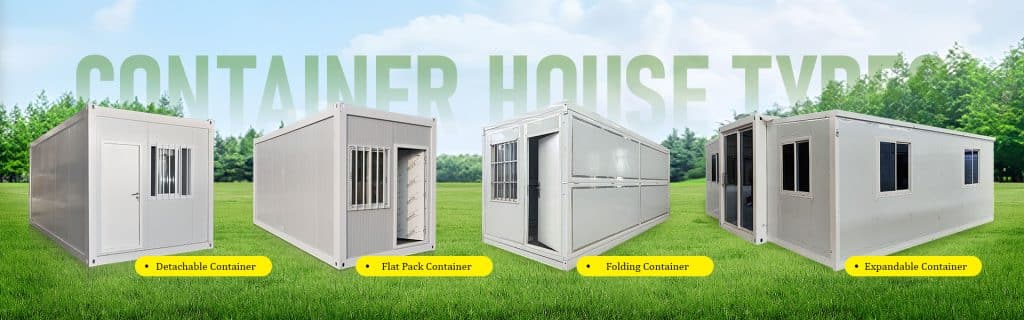
How to Choose the Right Prefab Container House for Your Project?
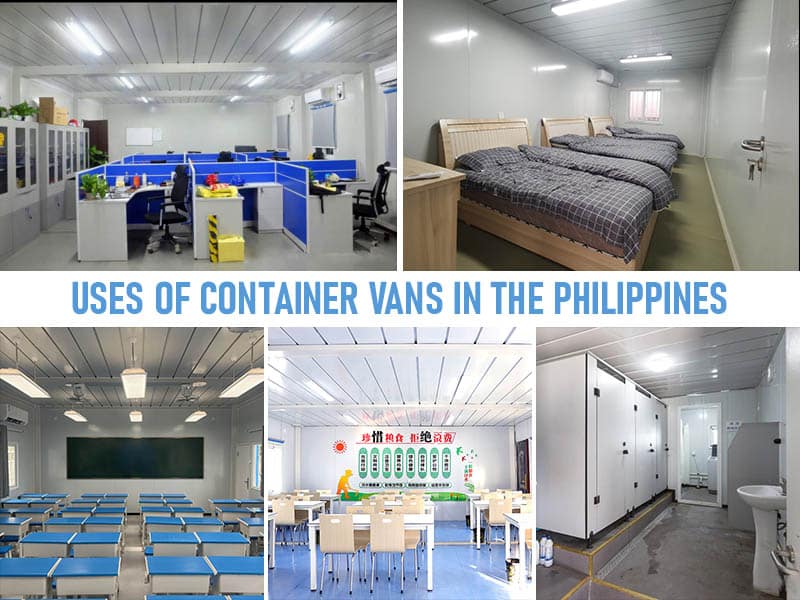
6 core Uses of a Container Van in the Philippines
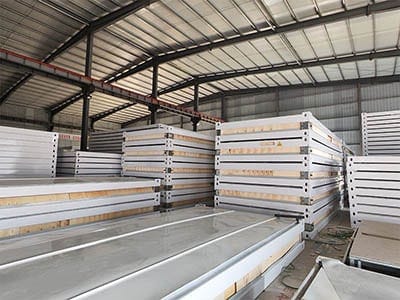
flat pack containers Prices & Cost Analysis Guide
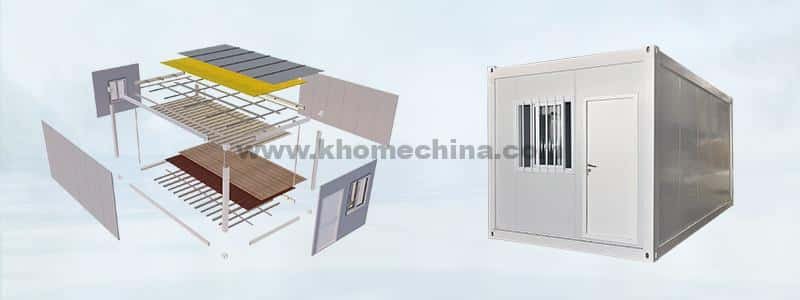
Detachable Container House Prices & Cost Analysis Guide
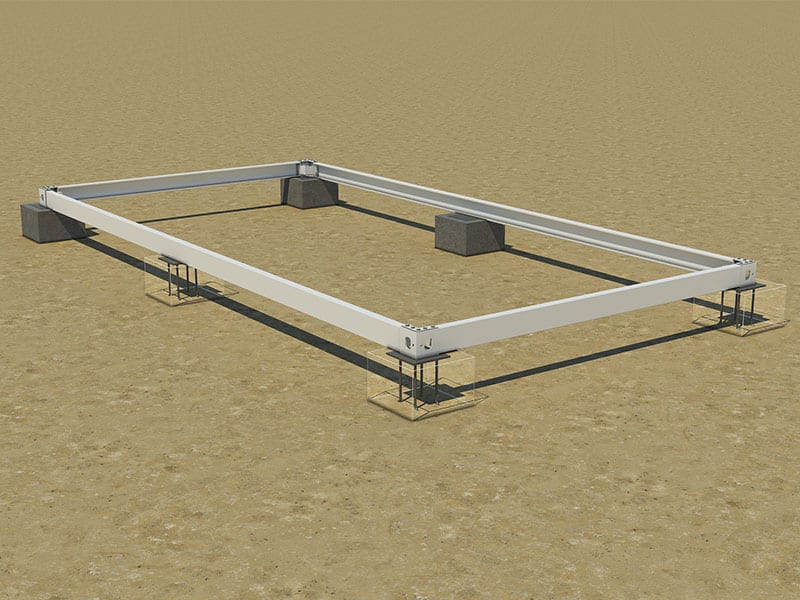
How to anchor a prefabricated house to the foundation
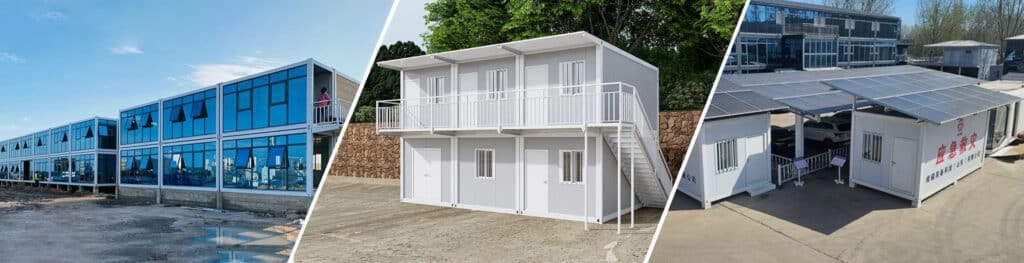
Detachable Containers VS Flat Pack Containers
contact us
Call us now
+86 373 2511966
Adress
Xiaodian Industrial Park, Xinxiang City, Henan Province, China
Websites
Request a Quote
For a quick quote, please fill out the Inquiry Form. Our sales team will contact you as soon as possible.