
Building container dormitories in the Philippines requires balancing performance and environmental risks. Typically, projects face five key challenges:
- Wind resistance and waterproofing
- Foundation construction
- Budget control
- Thermal insulation
- Construction timeline
As a container dormitory supplier in the Philippines for mining and infrastructure projects, KHOME understands your pain points. You need more than just container units; you need a complete engineering solution. It must withstand typhoons, ensure employee comfort, and be efficiently implemented within budget.
This guide will analyze the five key challenges common in local projects and offer targeted engineering solutions. This ensures your container dormitory Philippines facility is safe, comfortable, and budget-controlled — from the day it is completed.
Top 5 Engineering Challenges & Solutions for Container Van Dormitory Projects in the Philippines
1. Wind resistance and waterproofing: How to ensure structural safety under Level 15+ typhoon conditions?
The Philippines is hit by strong typhoons and heavy rain every year. When choosing container dorms, wind resistance and waterproofing are two key factors that must be taken seriously.
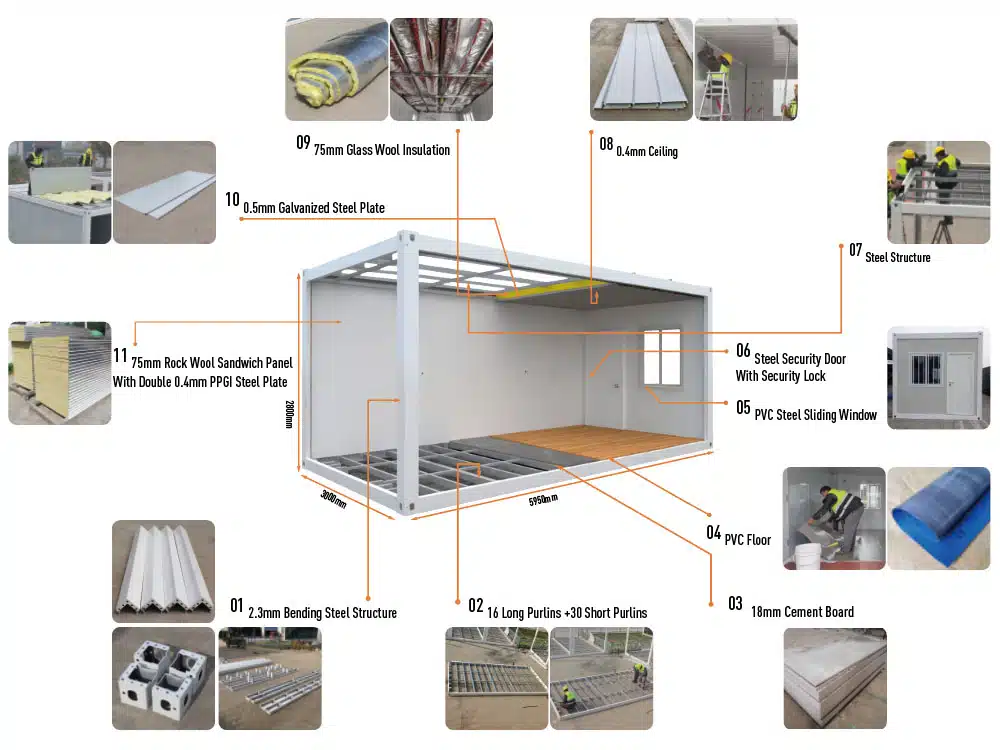
Regarding wind resistance: Wind resistance performance depends primarily on its structural design and engineering calculations. At KHOME, this was completed in the early stages of the design process. Our standard living unit measures 3m x 6m, is made of 2.3mm thick high-strength weather-resistant steel. The weight is approximately 1.5 tons.
According to our structural calculation report, this design can withstand wind speeds of up to 110 km/h (equivalent to a wind pressure of 1.62 kN/㎡, or about Typhoon Level 15). This means that under wind conditions below level 15, its structural safety and durability as a worker’s dormitory are justified.
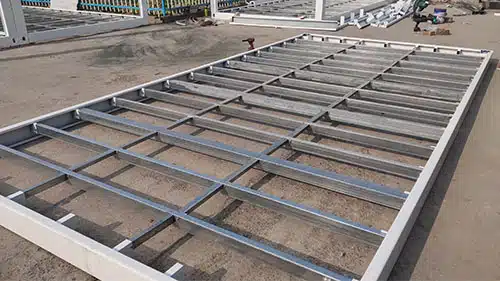
If the project is located in a typhoon-prone area, or wind speeds may exceed this level, or the client simply wants extra peace of mind, we also offer a foundation reinforcement option as a supplementary measure. Here’s how it works: during the concrete pouring stage, pre-embedded anchors are placed in the foundation. When installing the container unit, the ground structure is then securely connected to these anchors. This method effectively resists vertical uplift forces, significantly improving the stability of the building during severe typhoons.
container van dormitory structure


structural calculation report

foundation reinforcement option


Regarding waterproofing: The roof is designed with a higher center and lower edges, sloping downward on all sides. Gutters are installed around the perimeter, and downpipes are placed inside the four columns. Rainwater flows naturally along the slope into the gutters, then drains down through the downpipes to the ground. This design effectively prevents water from pooling on the roof, reducing the risk of leaks.
In addition, sealing strips are installed at all wall joints. The roof is also covered with waterproof membranes, combined with various sealing measures. Even during the long rainy season in the Philippines, the interior stays dry and comfortable.


2. Foundation Construction Plan: How to Stabilize a Foundation at Low Cost?
In the Philippines, container van dormitories may be installed on sites with very different ground conditions. So how do you ensure the foundation is stable and reliable?
At KHOME, our approach is simple: avoid unnecessary hardening and tailor the foundation to the actual ground conditions. We don’t recommend pouring a large concrete slab for every project. Instead, the solution should be based on your specific site. Based on years of experience, KHOME offers the following foundation options.
1. Independent point foundation: This option works well when the site has relatively stable ground conditions. Concrete is only poured in small areas beneath the load-bearing points. The rest of the ground remains untouched. Compared to a full slab foundation, this method significantly reduces early-stage site preparation costs. In addition, this foundation can raise the container, preventing water accumulation during the rainy season from the bottom structure.
2. Screw pile foundation: This idea originally came from a client of ours in Bulgaria. It turns out to be suitable for a wide range of soil types. Screw piles are available in different lengths, from 55 cm to 300 cm. Their load capacity can reach 300 kN (approximately 30 tons) or more. They can be screwed into the ground with relative ease across various soil conditions. If your project site is mostly covered by municipal concrete ground, you may not have permission to drill into it. In that case, this solution cannot be used.
3. Slab foundation: This is a good choice for most ground conditions. Compared to point foundations or column-type foundations, a slab foundation offers better overall support. However, the budget required is typically higher.
We provide these recommendations based on different site conditions. The actual foundation construction should be carried out by a local contractor, based on the specific ground conditions at your site.
Independent Point Foundation


Screw Pile Foundation


Slab Foundation


3. Budget control: How to avoid hidden costs?
In Prefab Barracks and Dormitories projects in the Philippines, the living units’ price is just the starting point. The final total contract price is the true reference cost.
It is worth noting that many seemingly low quotes often reveal additional expenses in later stages. such as reduced specifications, spare parts supply costs, or on-site rework due to design flaws. These hidden costs can lead to a total price far exceeding the initial estimate.
At KHOME, we stick to a simple principle: the quoted price is the final delivery price. We help you avoid hidden costs through the following measures:
- Full-list quotation model: We do not accept vague quotes. Every quotation comes with a detailed bill of materials. This includes everything: the main steel structure, the thickness of the sandwich panels, the interior fittings, the specifications of bolts and sealing strips. Every cent you pay is clearly tied to a specific material value.
- Design scheme review: Hidden costs often stem from “mismatch on-site”. We will inform you in advance during the design phase what equipment your container units will require during installation. For example, flat-packed container units require lifting equipment for installation. We help you select the right unit modules ahead of time. This prevents budget overruns on equipment rental and keeps your costs under control.
- Logistics and customs clearance: If your quote is based on FOB terms, we clearly list the inland port charges and sea freight costs on the quotation sheet. We also maximize the container packing plan to ensure you get the best possible sea freight rate. In addition, we provide a full set of certified documentation that meets Philippine customs requirements. This ensures that after your goods arrive at the port, you won’t face extra demurrage charges due to missing paperwork.
Among the container van manufacturers in China, we do not compete on low prices. Instead, we focus on one thing: delivery certainty. We will walk you through every technical detail. And within your budget, we will provide the best quality products and a complete turnkey solution.
4. Thermal Insulation Performance: How to optimize the living quarters under the Philippines climate
The Philippines has high temperatures and heavy rain all year round. If the labour quarters feel like an oven, worker productivity will drop significantly. This may even lead to group complaints. While this issue is not as deadly as a typhoon, it can seriously affect labor efficiency and site stability.
Given the climate in the Philippines, KHOME recommends the following combination of strategies.
- High-density rock wool/polyurethane (PU) wall panels: The walls are made of high-density rock wool or PU sandwich panels. These materials have very low thermal conductivity. They effectively block external heat from transferring indoors. Even under the direct afternoon sun, the temperature you feel when touching the interior walls stays within a reasonable range.
- Secondary slope roof: The roof structure is the area where the container absorbs the most heat. We recommend adding a secondary roof design. This means installing a lightweight pitched roof above the original container roof. A 20–30 cm air convection layer is left in between. This moving layer of air can carry away more than 60% of the heat radiation. It is much more effective than simply increasing the thickness of the insulation.
| Material Type | Thermal Conductivity [W/(m·K)] | Density [kg/m³] |
| EPS (Polystyrene) | 0.038 – 0.041 | 8-20 |
| Rock Wool | 0.035 – 0.040 | 40-120 |
| PU (Polyurethane) | 0.018 – 0.023 | 35-45 |
| PIR (Polyisocyanurate) | 0.016 – 0.023 | 38-48 |


5. Construction period: Modular prefabrication enables rapid dormitory operation
In oil-gas camps, construction and mining projects in the Philippines, time equals productivity. The on-site installation of modular container housing is essentially just “assembly”, not traditional “construction.”
So why can modular containers be set up so quickly? The key lies in shifting 90% of the prefabricated work to the factory.
- Factory prefabrication system: Unlike traditional building methods, our container components are precisely manufactured in the factory. When the modules arrive at the job site in the Philippines, on-site workers simply need to connect them using high-strength bolts. No complex tools are required. This greatly reduces the reliance on skilled labor in the field.
- Parallel construction strategy: This is the core factor that shortens the overall project timeline. While our factory is prefabricating the modules, your construction team can handle the foundation work simultaneously on site in the Philippines. In other words, by the day before the containers arrive, the foundation is already ready. This kind of synchronized work can save at least 50% of the total deployment time compared to traditional construction methods.
- Detailed installation guide: We provide full installation support for every project in the Philippines. This includes both drawings and video instructions. As a result, even if the on-site team is not made up of professional builders, they can still follow the steps and complete the installation without trouble. If that’s not possible, we also offer professional on-site guidance. We can send engineers to the site to provide training and installation guidance.
Chinese container dormitory manufacturer for the Philippines
Building container van dormitories in the Philippines is a systematic project where every link connects to the next.
At KHOME, we have always believed that what we deliver to you is more than just a set of container living quarters. It is a “project support system” . It makes your construction site safer, more stable, and more efficient. Wherever your project is located, we are ready to leverage our expertise and extensive experience to provide you with a turnkey solution.
Building container van dormitories in the Philippines is a systematic project where every link connects to the next.
At KHOME, we have always believed that what we deliver to you is more than just a set of container living quarters. It is a “project support system” . It makes your construction site safer, more stable, and more efficient. Wherever your project is located, we are ready to leverage our expertise and extensive experience to provide you with a turnkey solution.
Committed to Creative Problem Solving
We tailor each modular building to your needs with the most professional, efficient and economical design.
Buy direct from the manufacturer
Modular container buildings come from the source factory, carefully selected high-quality materials to ensure quality and durability. Factory direct delivery allows you to get accommodation containers at the best price.
Customer-centric service concept
We always work with customers with a people-oriented concept to understand not only what they want to build, but also what they want to achieve.
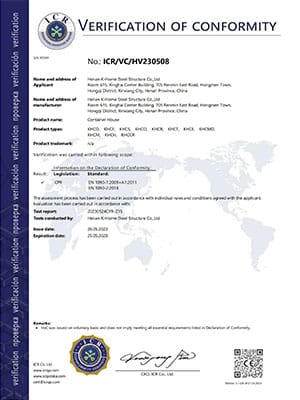
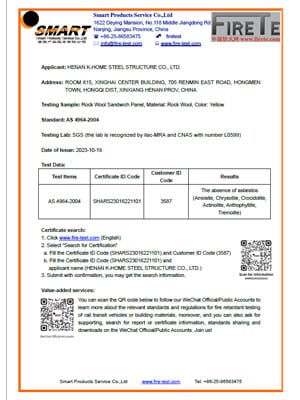
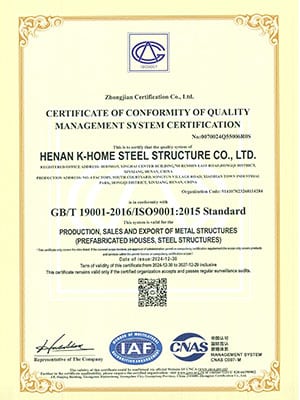
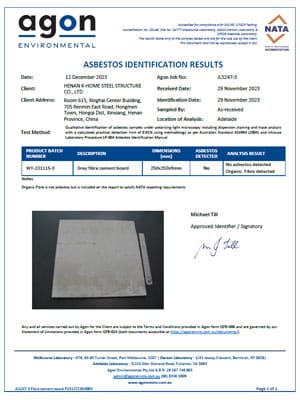
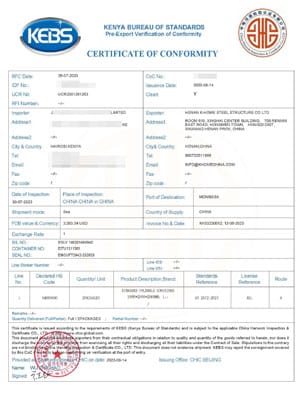
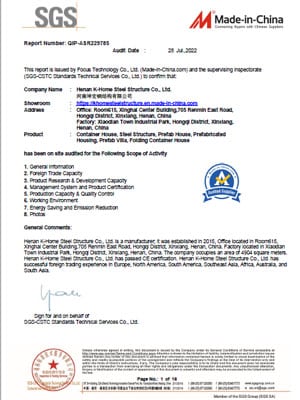
Comprehensive Certifications
We uphold the highest standards. Behind every building is a rigorous commitment to safety, quality, and sustainability, backed by dozens of internationally recognized certifications.
Our Projects
For more than 15 years, K-home has focused on providing long-term affordable, practical, and efficient on-site space management solutions
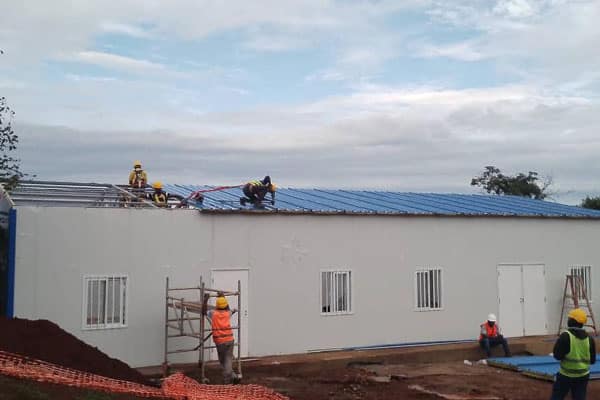
Prefabricated Canteen & Training Rooms for a Remote Mining Camp in Tanzania
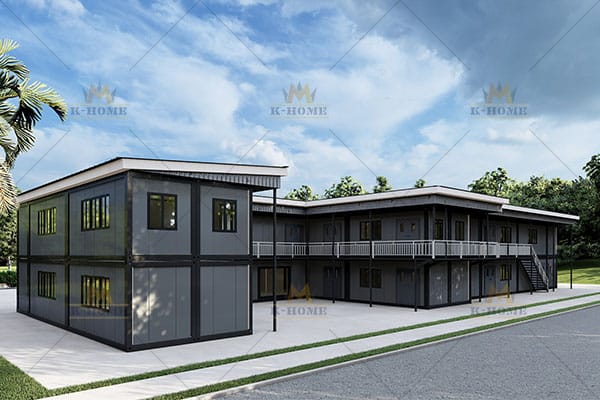
Modular Office Building in Cameroon

Prefab Workforce Housing in Malaysia
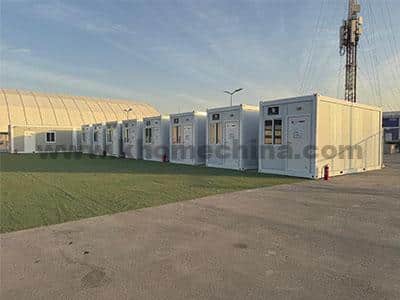
Flat Pack Containers for Music Festival in KSA
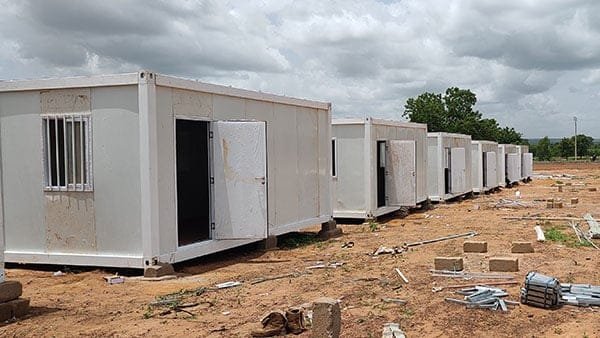
Accommodation Camp in Mali

Folding Container House for mining camp in Indonesia
latest articles
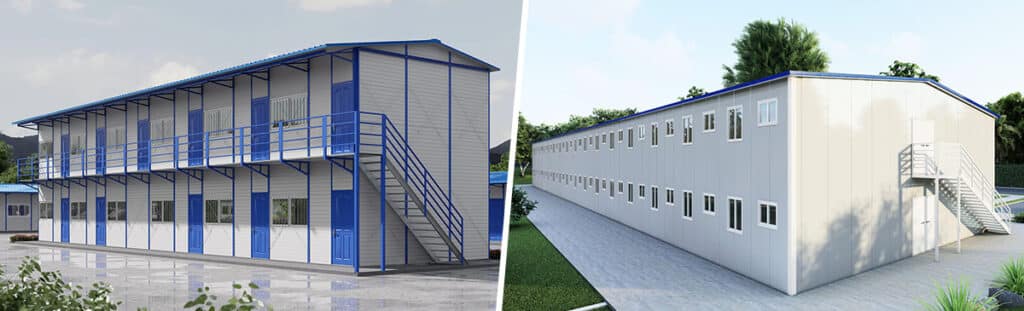
Prefab K House vs. Prefab T House: Buying Guide
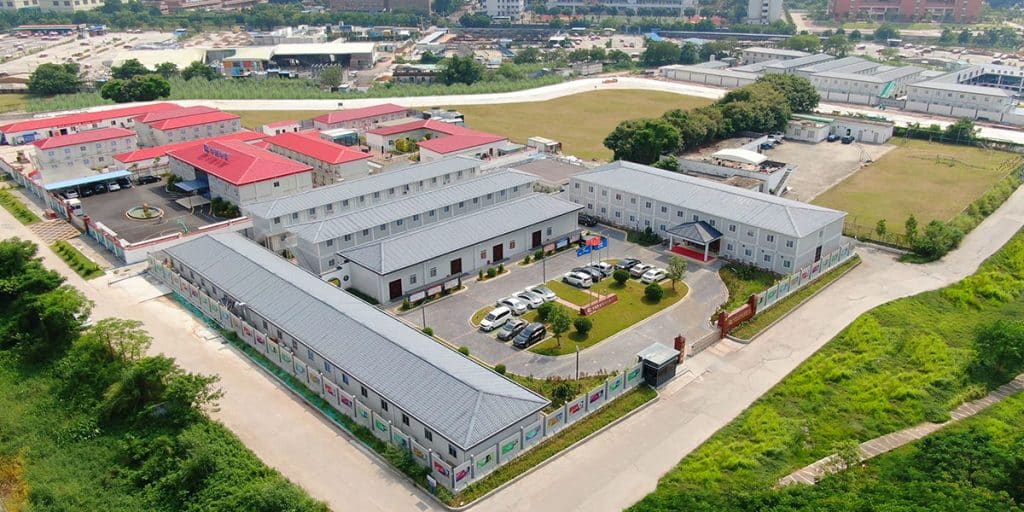
Temporary Construction Facilities: How to Plan a Modular Site Setup
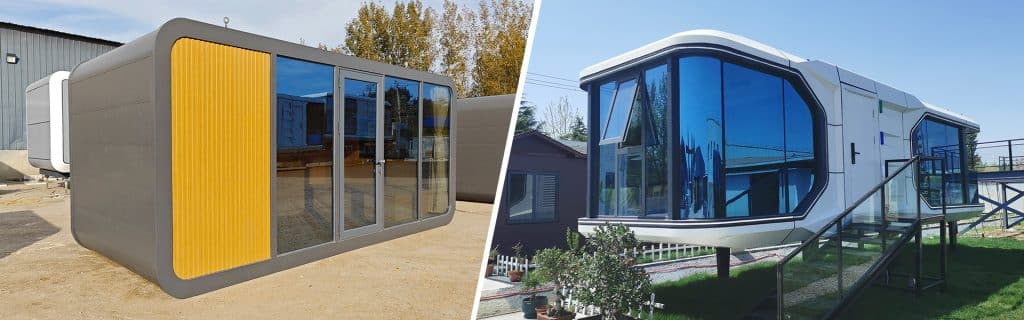
A guide on capsule houses: how to choose?
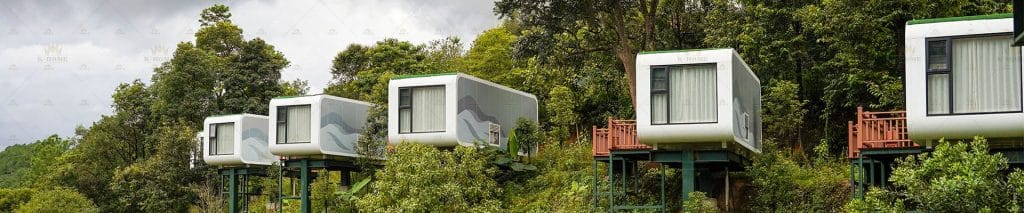
Manufacturing Process of K-HOME Apple Capsule
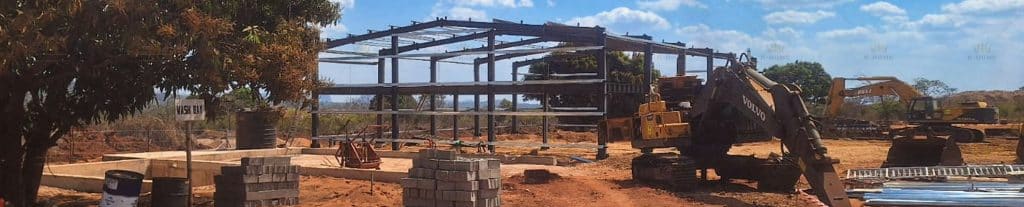
Steel Structure Warehouse In Africa
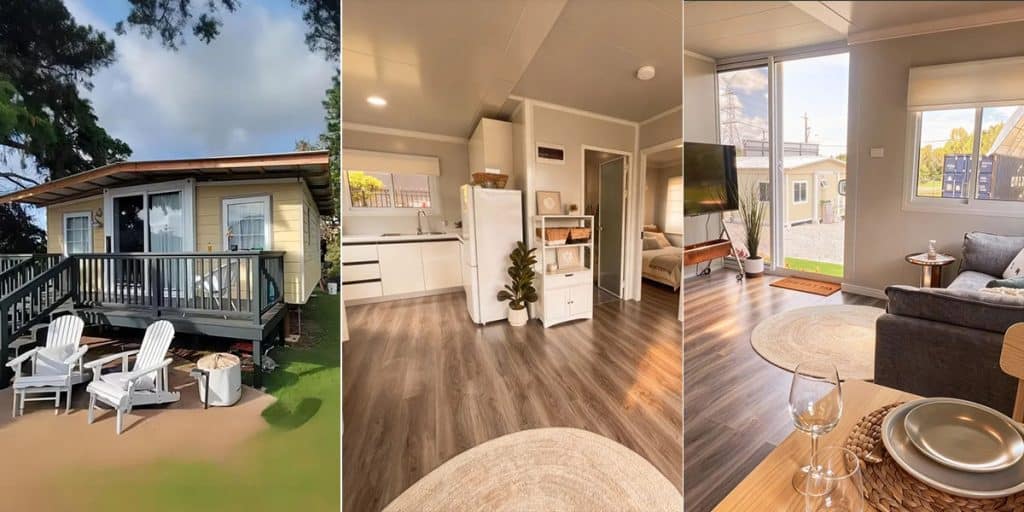
Expandable Container House Prices
contact us
Call us now
+86 373 2511966
Adress
Xiaodian Industrial Park, Xinxiang City, Henan Province, China
Websites
Request a Quote
For a quick quote, please fill out the Inquiry Form. Our sales team will contact you as soon as possible.