
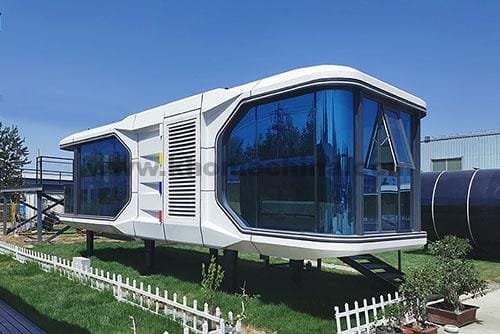
As a type of modular building, the apple cabin house has been increasingly used in scenic areas, camps, resort hotels, and boutique hospitality projects in recent years. Unlike traditional on-site construction, most of its production work is completed in the factory. From the main structure and interior finishing to the plumbing, electrical system, and equipment installation, each part is integrated according to the design plan before delivery. Once the unit arrives on site, it can be put into use after placement and basic utility connections are completed.
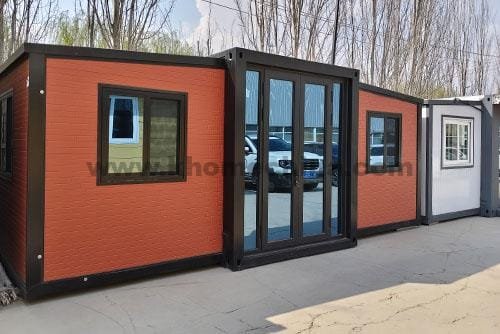
Although apple cabins and prefab container houses both fall under the modular housing category, their manufacturing processes differ. A prefab container house is usually transported to the site as modules or components, then assembled and connected on site. An apple cabin, however, is delivered as a complete unit. After it reaches the project location, no further assembly is required. It only needs to be lifted into position and connected to the basic water and electrical systems before use.
Before deciding which type of prefab modular house is more suitable for your project, K-HOME will walk you through the factory production process of an apple cabin and show what each unit goes through before delivery.
Need Help Finding The Right Modular House?
Frame and Wall Installation of the Apple Cabin House
The steel structure frame is the main skeleton of the apple cabin and the first step in the manufacturing process. Based on the design drawings, our workers cut, weld, and assemble the steel materials to form the basic frame of the house. To make the pod house suitable for long-term outdoor use, the whole frame is hot-dip galvanized. This process helps protect the structure from moisture and rust, reducing the risk of corrosion caused by the surrounding environment and helping extend the service life of the unit.
After the anti-corrosion treatment is completed, the plumbing system is pre-installed. The water supply lines, drainage pipes, and bathroom-related pipelines are arranged in advance, with reserved connection points for later equipment installation. This helps reduce the need for additional modification after the unit arrives on site.
Once the drainage system is in place, the exterior wall panels can be installed. For the exterior wall materials, customers can choose aluminum panels or metal carved panels according to the project setting and preferred appearance. Both materials are reliable choices for the outer wall of an apple cabin, pod house, or capsule house.
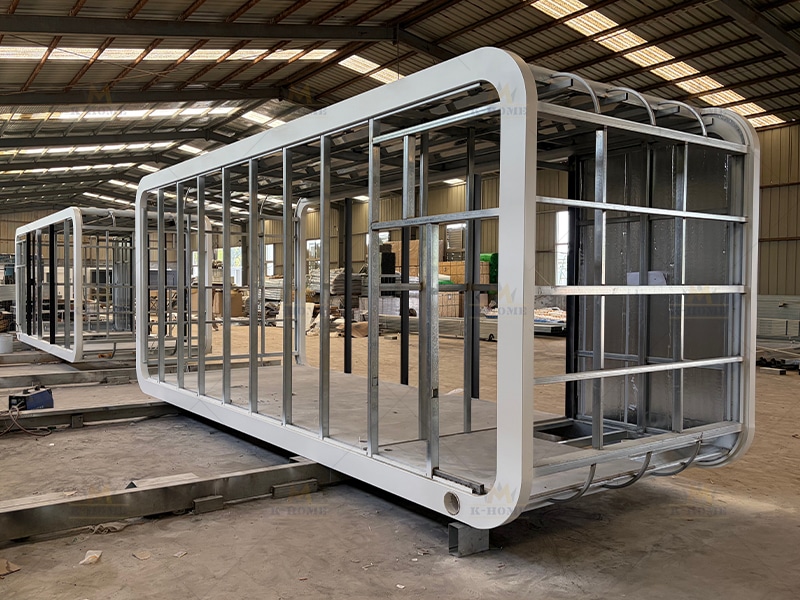 20ft apple cabin house steel structure frame
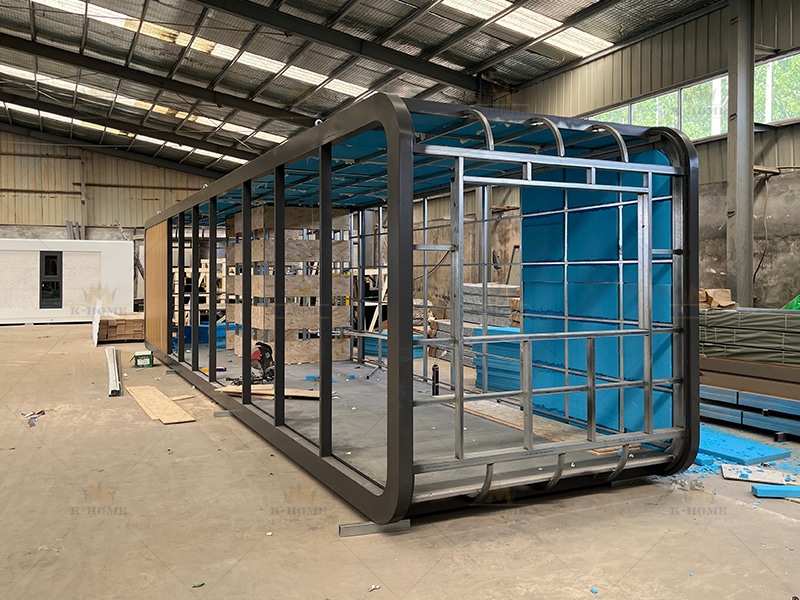 40ft apple cabin house steel structure frame
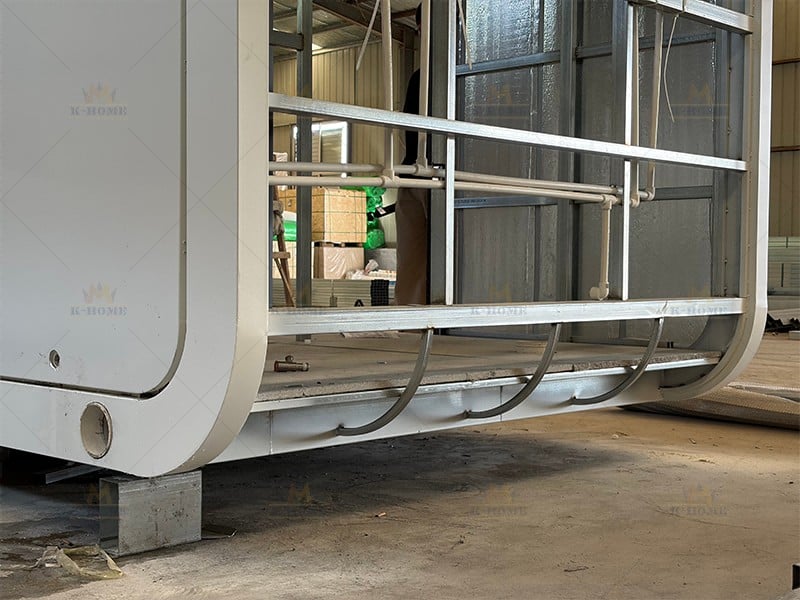 Embedded Piping for Water Supply and Drainage System
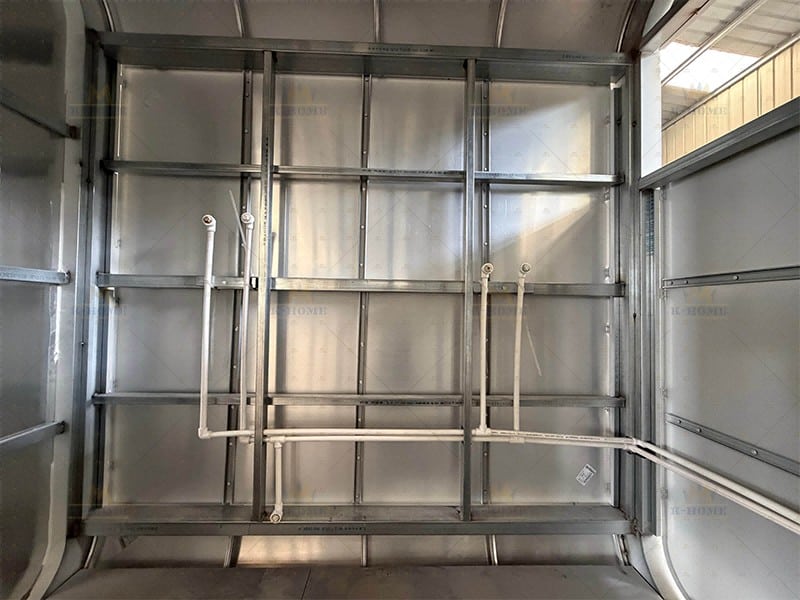 Embedded Piping for Water Supply and Drainage System
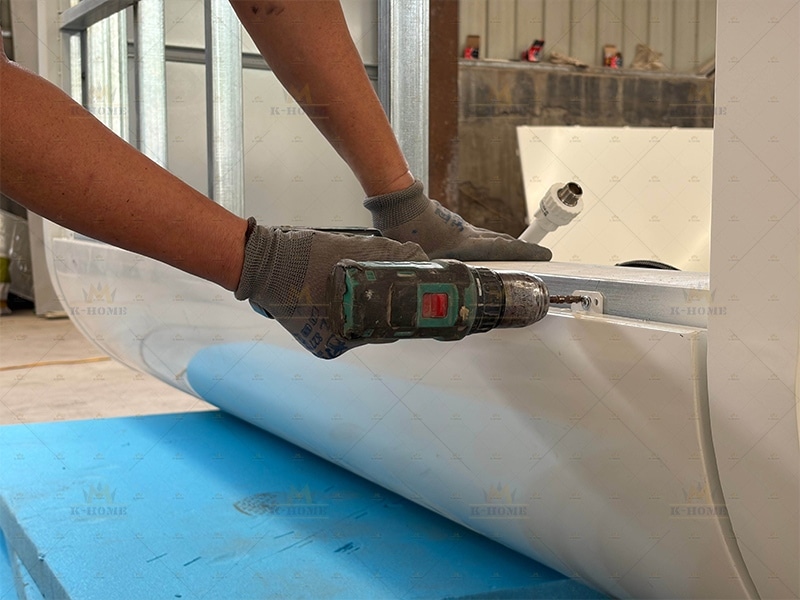 Wall Installation of the Apple Cabin House


Insulation Process of the Apple Cabin
After the exterior wall panels are installed, the wall cavity is immediately filled with an insulation layer. K-HOME’s standard solution uses XPS extruded polystyrene boards, balancing insulation performance and structural stability. For projects located in frigid regions or with higher energy efficiency requirements, polyurethane insulation can be used, achieving superior insulation with a thinner fill thickness.
During installation, all wall joints are sealed with polyurethane foam to prevent breaks in the insulation layer, block heat leakage through the joints, and improve the enclosure’s overall insulation performance, wind pressure resistance, and sealing performance.


Electrical Pre-Wiring of the Apple Cabin House
After the main structure of the apple cabin house is installed, the electrical lines inside the walls are pre-wired. All conduits and wires are embedded within the structure. The team also cuts the required grooves and openings according to the design drawings, leaving the right positions for switches, sockets, lighting, and other electrical equipment.
Concealed wiring gives the interior a cleaner finish and reduces the safety risks that may come with exposed wires.
Interior Wall Base and Decorative Panel Installation for the Apple Cabin House
Once the wiring is in place, OSB boards are installed throughout the cabin house. These boards are used as the base layer for the walls and ceiling, giving the interior decorative panels a stable surface for installation.
After the baseboards are fixed, the interior wall panels and ceiling panels are installed. Openings for lighting, electrical appliances, and sockets are reserved according to the design plan.
When this part is finished, the apple cabin is left to dry and set for a period of time. This allows the boards to become firmly fixed and helps prevent loosening or deformation during later work. Once the panel structure is stable, the next step can begin.
 Wall Panel Installation for the Apple Cabin House
-
Decorative Panel Installation for the Apple Cabin House


Door, Window, and Glass Curtain Wall Installation
As the interior work of the apple cabin house takes shape, the doors, windows, and glass curtain walls are installed. Many customers choose large glass curtain walls for this type of capsule house, as the design gives the unit a more open and modern appearance.
After the main components are fitted, the team works on the window frames, sills, glass edges, and other connection points. Sealant and edge finishing are applied to reduce rainwater leakage and improve sound insulation.
At this point, the unit has a complete exterior form.


Interior Flooring of the Apple Cabin House
When the flooring work begins, this part of the modular house production is similar to the interior finishing stage of a traditional building. The floor base usually uses cement board, which is first placed during the main frame construction and reinforced again before the final flooring is installed.
Before laying the floor, workers clean the base surface thoroughly and then install a moisture-proof membrane. After that, SPC composite flooring is laid to create a stable and even surface for daily use. The layered floor structure of the pod house helps improve moisture resistance and wear resistance, making it suitable for long-term everyday use.

Integrated Bathroom Inside the Apple Pod Cabin
After the flooring work is completed, the bathroom is integrated into the space. From the bathroom floor and heater to the water heater, shower system, toilet, wash basin, glass partition, and bathroom door, each part is fitted according to the reserved positions.
Since the water supply and drainage systems have already been pre-installed, the installation process is smoother and reduces the need for later adjustments.
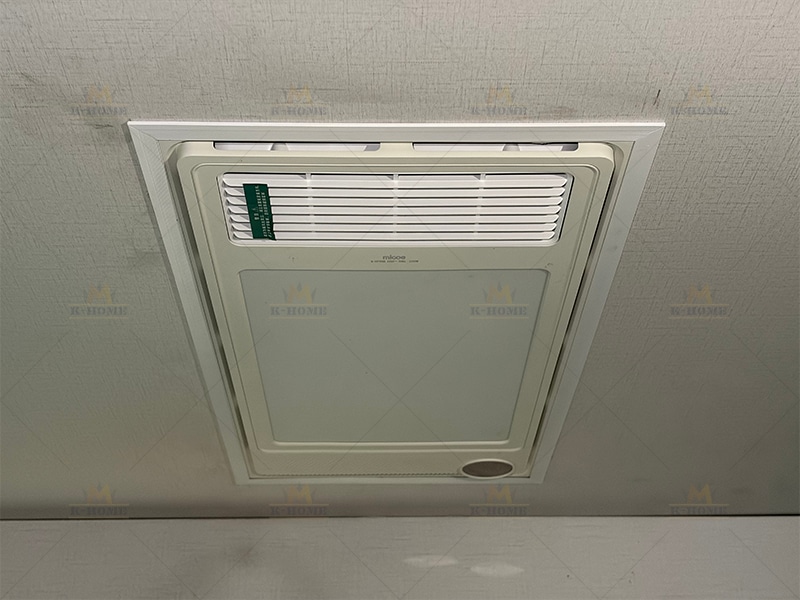 Integrated Bathroom Heater Installation
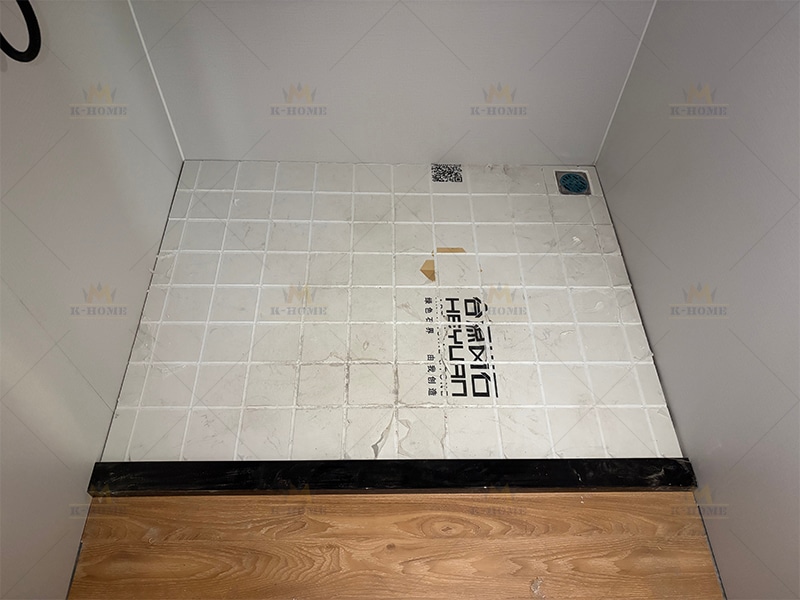 Bathroom Marble Floor Installation
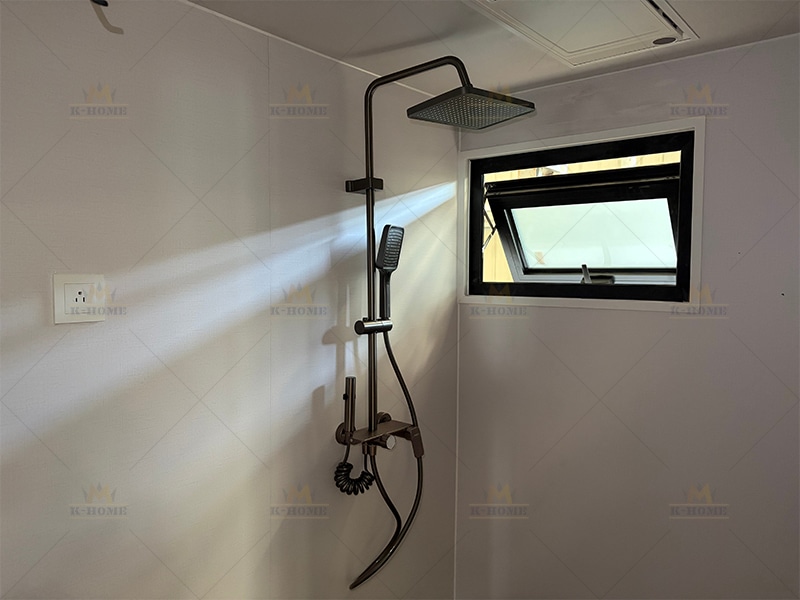 Complete Shower Set
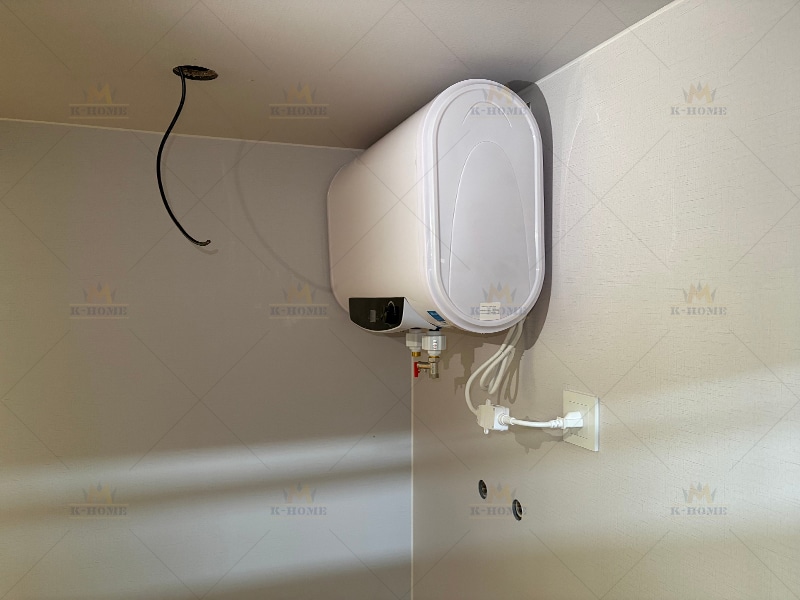 Water Heater Installation
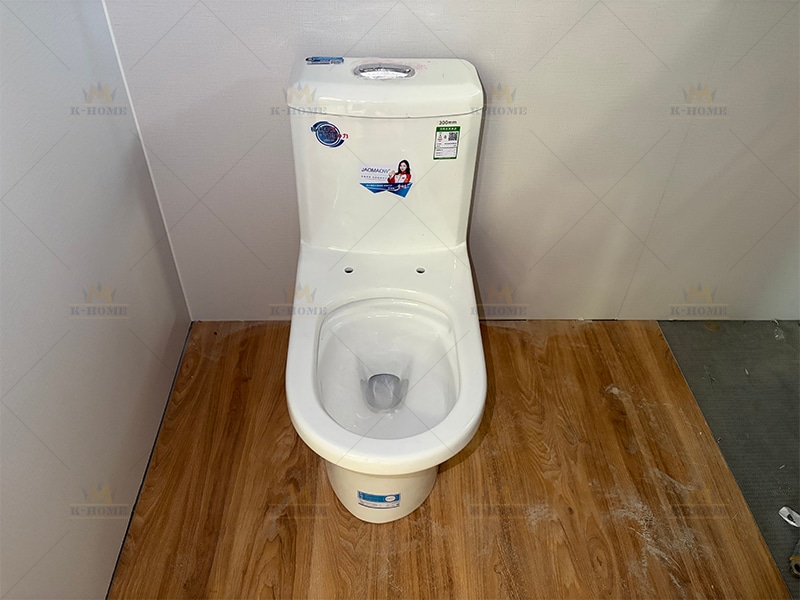 Apple Cabin Interior Toilet
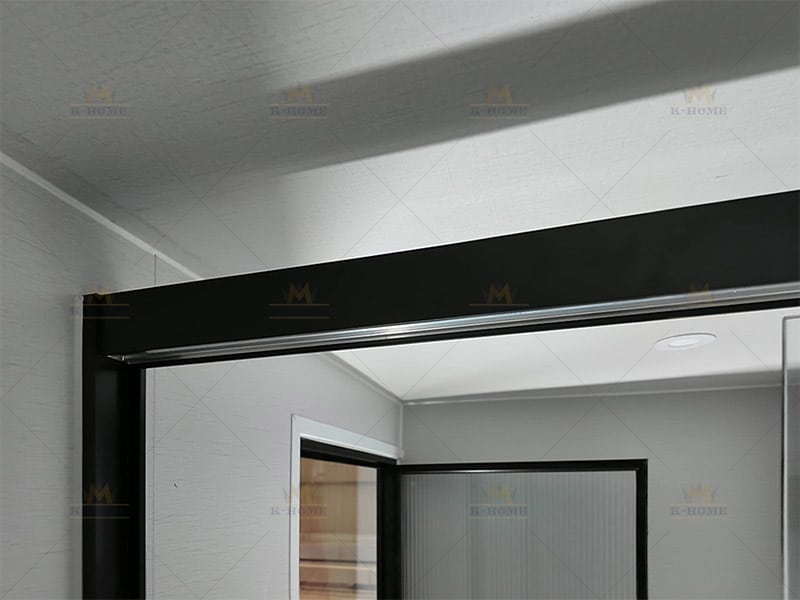 Apple Cabin Shower Glass Partition
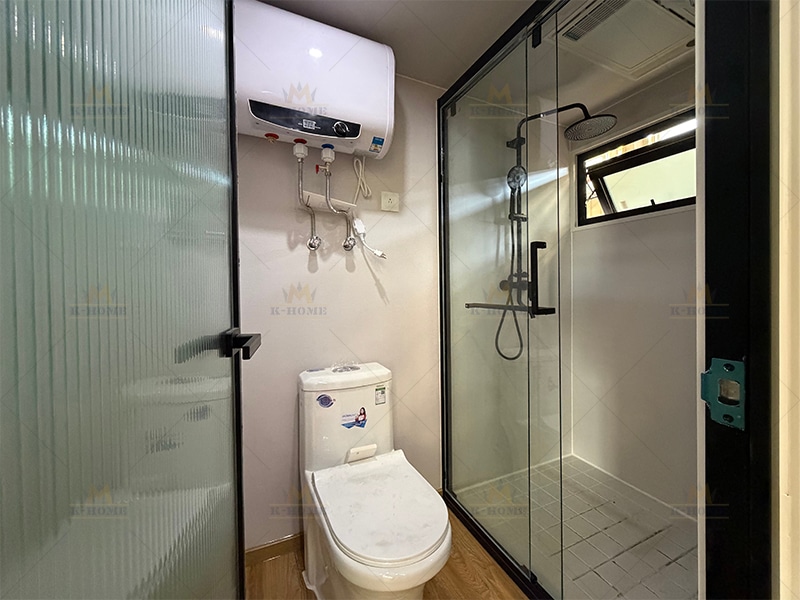 Installation of Integrated Bathroom Completed


Furniture Installation for a Ready-to-Use Apple Capsule House
After the bathroom area is finished, the interior fittings of the Apple Capsule House are installed. Basic electrical items such as switches, sockets, and the bathroom heater are installed first and tested at an early stage.
Curtains, downlights, wardrobes, cabinets, dressing mirrors, wash basins, and other furniture and soft furnishings are then installed step by step. With these fittings in place, the apple pod cabin gradually becomes a complete living space ready for use.

Final Details and Testing of the Apple Cabin House
After the main assembly work is finished, the apple cabin house goes through its final detail work. Workers seal the gaps around the glass, complete the joint finishing for the glass and flooring, and install the skirting boards throughout the unit. Each edge and corner is checked before final testing begins.
The power is then connected, and the whole electrical system is tested together with all installed equipment. Once the lighting, electrical lines, and appliances are working properly, the production of the complete apple cabin house is finished. The finished unit can then be prepared for delivery.


Application Differences Between Apple Cabin Houses and Prefab Container Houses
The production of an apple cabin house is not a simple component assembly. It brings steel structure fabrication, plumbing and electrical pre-installation, insulation work, interior finishing, and equipment installation into one factory production process. This approach keeps the work more controlled and reduces the amount of construction required after the unit reaches the project site.
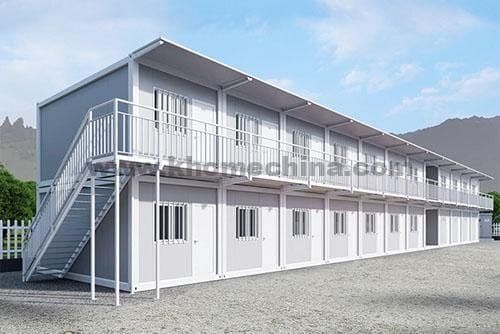
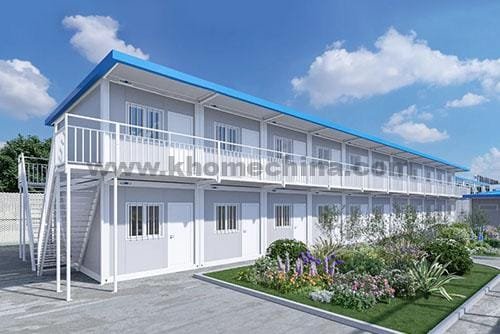
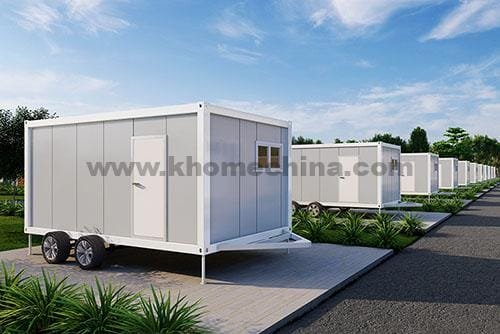
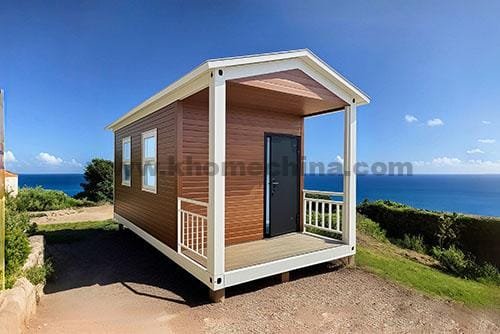
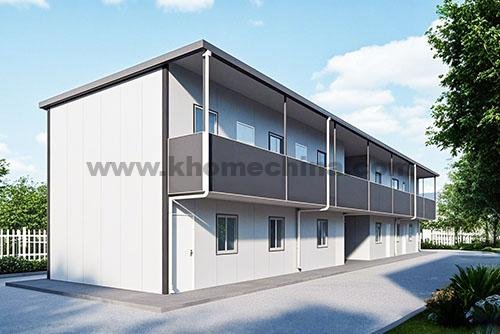
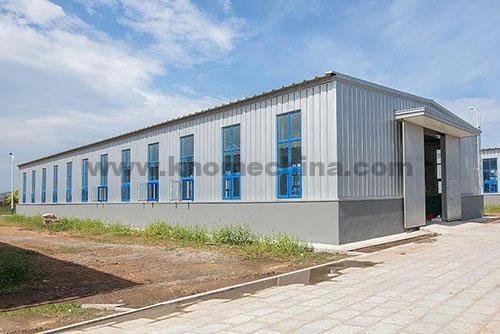
Apple cabin houses and prefab container houses both use factory prefabrication and pre-installed water and electrical systems, but they differ in construction methods, on-site installation, transportation, and application scenarios. An apple cabin house is better suited for scenic areas, tourism accommodation, and glamping sites where the project needs a complete design and faster operation after placement. A prefab container house is more suitable for construction site offices, worker dormitories, commercial support spaces, and other projects that need flexible on-site combinations.



Get a Modular Apple Cabin House Design for Your Project
K-HOME provides apple cabin houses, prefab container houses, and other modular building solutions. We can help with product configuration, layout planning, transportation arrangements, and installation support based on your project site and actual use needs.
If you are planning a scenic accommodation project, a campsite, or another modular building project, you can contact our team to learn more about the structure, production lead time, and quotation for an apple cabin house. K-HOME will provide a practical solution based on your project requirements and help you prepare for a smoother project launch.
contact us
Call us now
+86 373 2511966
Adress
Xiaodian Industrial Park, Xinxiang City, Henan Province, China
Websites
Request a Quote
For a quick quote, please fill out the Inquiry Form. Our sales team will contact you as soon as possible.