
Prefab Container House Cebu | China container house Manufacturer
In Cebu, Philippines, a city embraced by year-round sunshine and sea breezes, the choice of construction is not only about living comfort but also needs to face the climatic challenges of high temperature, high humidity and frequent typhoons. In recent years, prefab container houses, with the unique advantages of light steel structure and modular design, have gradually become a popular choice for on-site office, accommodation and industrial projects in Cebu. Especially the solutions brought by Chinese manufacturers represented by K-HOME have made this architectural form shine in tropical environments.
Understanding Cebu’s Climate Characteristics: The Key to Building Durable Prefabricated Container Houses
Cebu has a tropical marine monsoon climate, with distinct dry and rainy seasons. Dry season usually lasts from December to May of the following year, which is the driest and sunniest period. Rainy season runs from June to November. During this time, rainfall increases significantly, humidity is high, and there is a risk of typhoons.
- High Temperatures Year-Round: Cebu remains warm to hot throughout the year with little temperature variation. The annual average temperature ranges from approximately 26°C to 30°C. Day-night temperature differences are small, usually fluctuating within a few degrees.
- High Humidity: As an island, Cebu has high humidity year-round, especially during the rainy season. The annual average humidity typically ranges from 70% to 85%. High humidity makes the perceived temperature higher than the actual temperature, creating a more stuffy and hot feeling.
Key Climate Parameters of Cebu:
- Temperature: Annual average temperature is 26-30°C, reaching over 35°C in summer (April-May) with no distinct winter.
- Precipitation: Annual rainfall is about 1600mm, with heavy rain concentrated in the rainy season (June-November) and extremely high short-term rainfall.
- Typhoons: Located in the typhoon-affected area of the Philippines, it is directly or indirectly affected by 2-3 typhoons annually, with maximum wind speeds reaching over 150km/h.
- Humidity: Annual average humidity is 75%-85%, often exceeding 90% in the rainy season, which easily leads to mold growth.
- Sunshine: Annual sunshine duration exceeds 2500 hours, with strong ultraviolet radiation.
Engineering Resilience: Designing Prefab Container Houses for Cebu’s Climate
When providing modular house designs for Cebu clients, key challenges such as local high temperature, high humidity, heavy rainfall, frequent typhoons, and strong solar radiation must be considered. The design should address these from multiple dimensions including structural safety, climate adaptability, energy efficiency, and living comfort, while combing the “efficient prefabrication and flexible assembly” characteristics of modular houses to achieve final solutions.
Structural Safety: Typhoon Resistance and Waterproof & Moisture-Proof
The prefabricated nature of modular houses requires enhanced structural stability to resist typhoons and heavy rainfall risks.
Typhoon Resistance Enhancement
Modular container Unit Connection: Joints between modules are fastened with high-strength bolts both internally and externally. When necessary, additional connectors between the house and the ground (such as embedded parts or expansion bolts) can be added to ensure the overall structure remains intact and stable during typhoons.
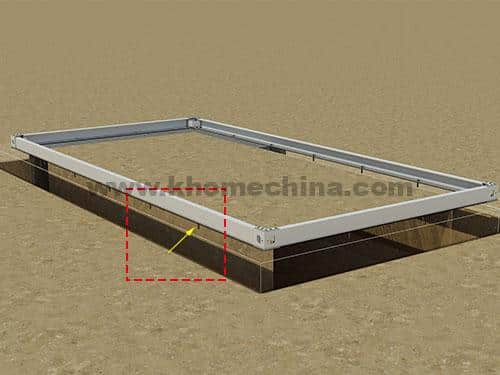
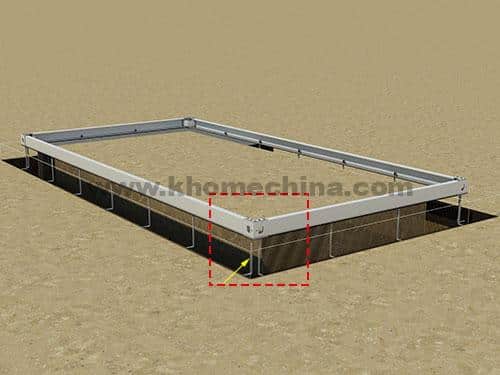
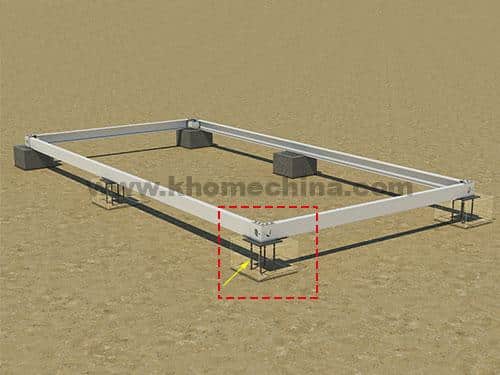
Secondary Roof Wind Resistance Design: The roof slope is increased to 15°-20° (compared to the conventional 10°) to reduce wind load retention during typhoons; the eaves are extended by 60-80cm to balance drainage and wind pressure resistance on walls.
Upgrade for Doors and Windows: Aluminum alloy or broken-bridge aluminum frames are used, with double-layer tempered insulating glass to improve impact resistance. Sealing treatment is applied around doors and windows to prevent rainwater backflow during typhoons.
Waterproof and Moisture-Proof System
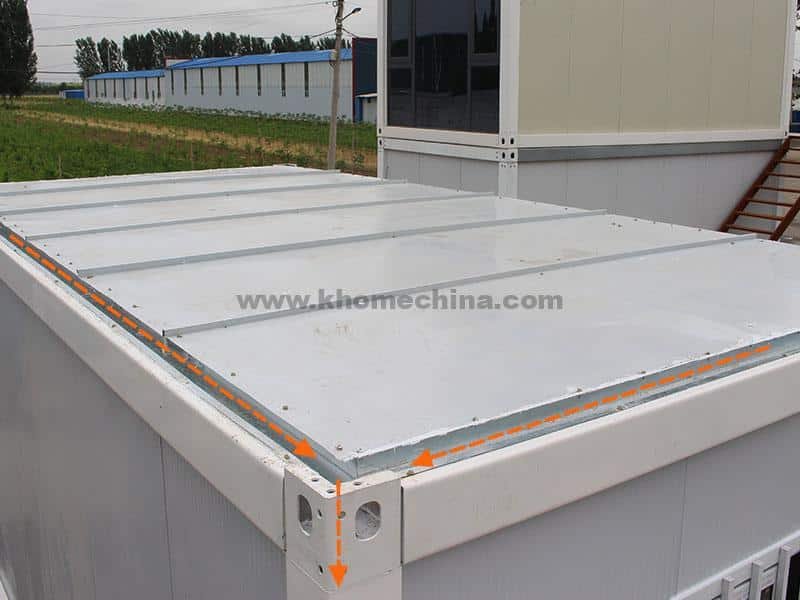
Modular Unit Roof Sealing: Waterproof butyl tape and black rubber are used to seal roof joints between two modules, ensuring rainwater flows into gutters and drains to the ground instead of running down walls.
Elevated Foundation Design: Elevated pile foundations (such as strip foundations or dot foundations with a pile height of at least 30cm) are adopted to avoid ground moisture and rainy season waterlogging, while creating a ventilation zone below to prevent floor dampness.


Drainage System Enhancement: The outdoor ground is sloped at 0.5% with open ditches or hidden channels around to quickly drain water to municipal pipelines.
Insulation and Ventilation System
Due to Cebu’s year-round high temperatures, insulation performance must be considered in design, with insulating materials selected for the enclosure structure.
Efficient Thermal Insulation
Walls: Modular walls adopt a composite structure of “outer metal panel + thermal insulation layer (e.g., EPS foam, polyurethane core, etc.) + inner metal panel” with a thermal conductivity ≤ 0.03W/(m·K).
Roof: The roof structure uses a composite of roof tiles + 100mm glass wool insulation layer + ceiling, with a reflectivity ≥ 80% to effectively reduce solar radiation absorption. In addition to the composite roof, a secondary roof can also minimize solar radiation.
Natural Ventilation and Dehumidification
Ventilation: A through-ventilation layout with north-south opening doors and windows to create cross-ventilation.
Forced Dehumidification: Exhaust fans are pre-installed in humid areas such as bathrooms and kitchens (with air change rate ≥ 10 times/h). Whole-house dehumidifiers (1.5-2kW) can be added during the rainy season to control indoor humidity ≤ 65%.
Materials: Adapting to High Humidity
Prefabricated materials for container houses must balance weather resistance, durability, and local adaptability.
Structural Materials: Modular steel frames undergo hot-dip galvanizing treatment (zinc layer thickness ≥ 85μm) to resist seawater corrosion (as Cebu’s coastal areas have salt-containing air). Ordinary carbon steel should be avoided to reduce rust risks.
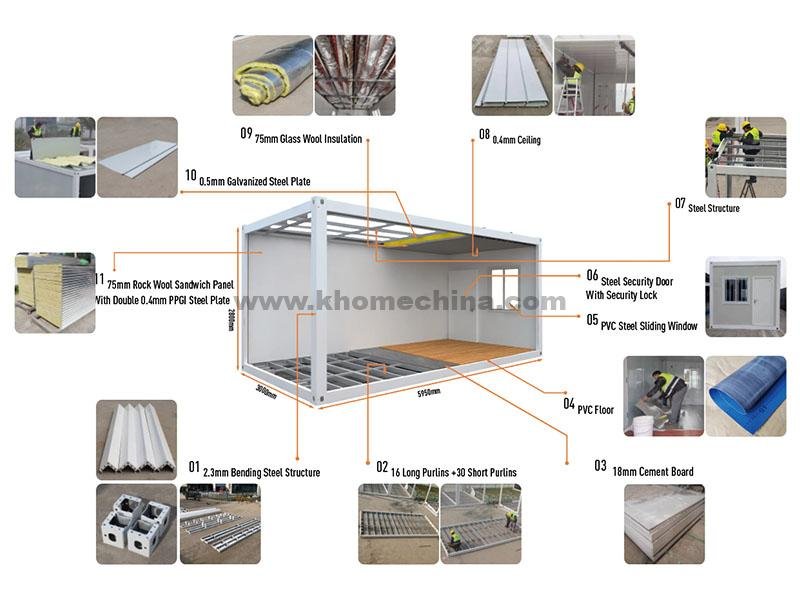
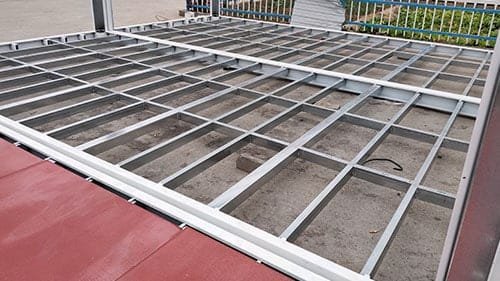
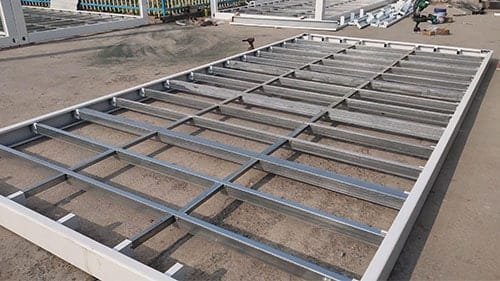
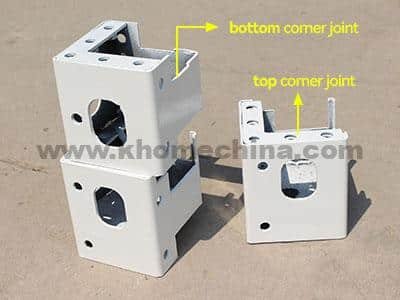
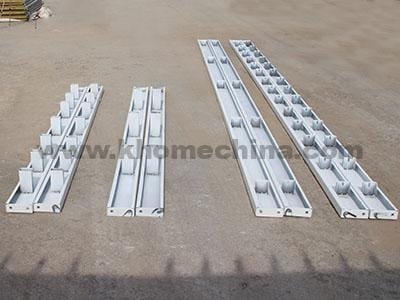
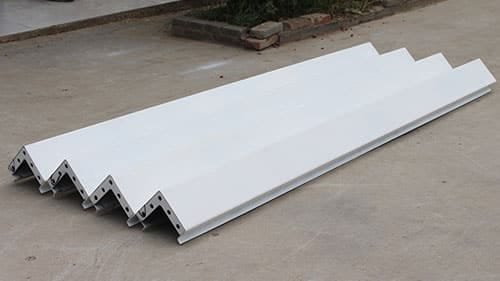
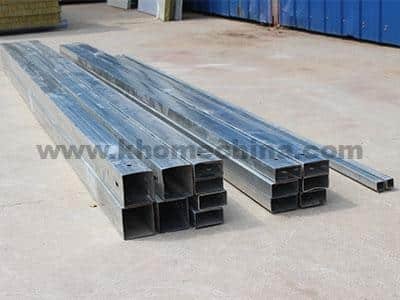
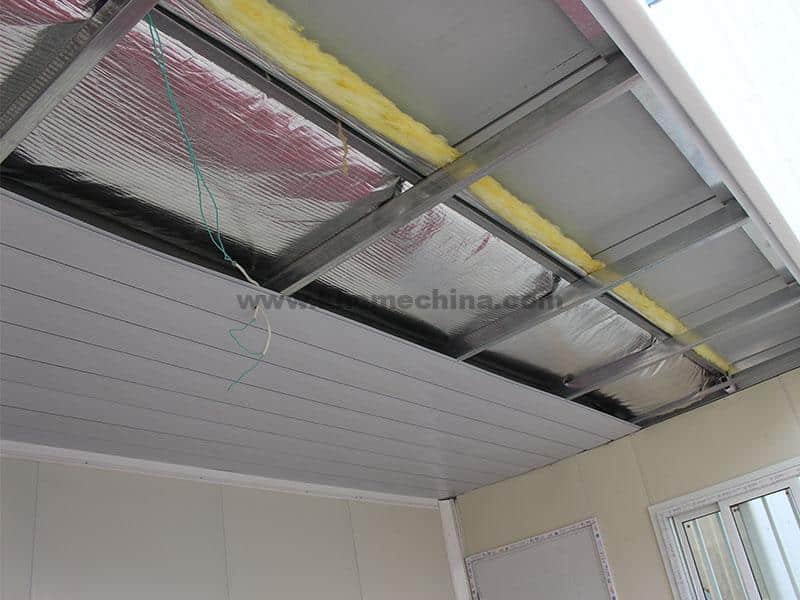
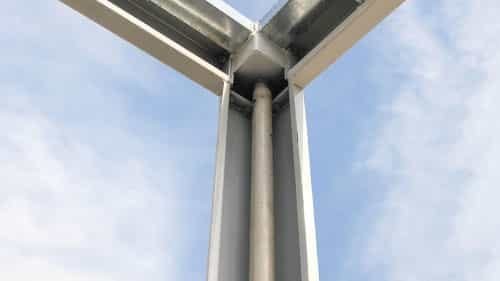
Finishing Materials: Exterior walls use galvanized or fluorocarbon-coated metal panels (resistant to UV aging with color retention ≥ 10 years).
Interior Materials: Indoor walls can use bamboo-wood fiber boards with good moisture and mold resistance; ceilings adopt color steel tile suspended ceilings to avoid moisture-induced deformation of paper gypsum boards. Wooden floors are prohibited for ground use, with SPC lock floors (waterproof and wear-resistant) recommended.
Case Study: Prefab Container Dormitory Project in Cebu
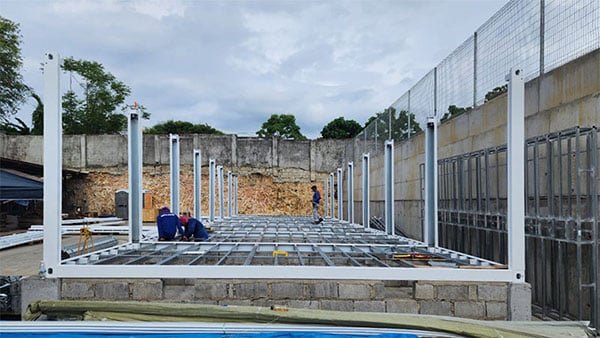
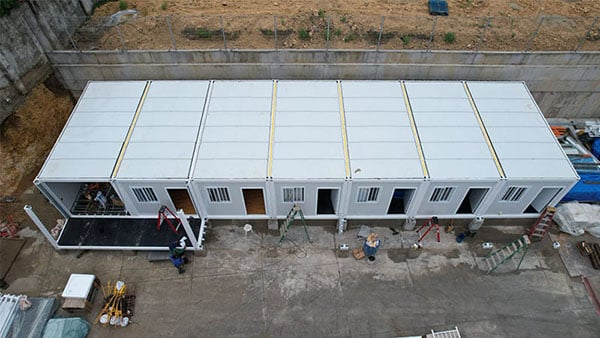
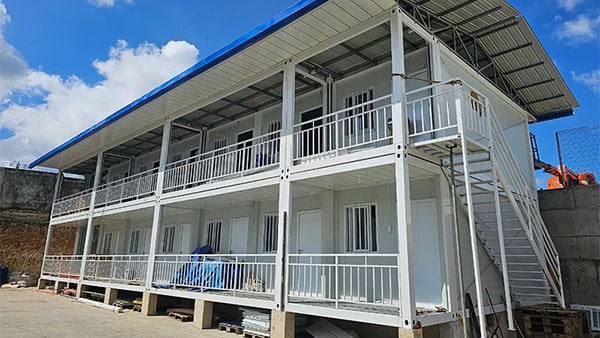
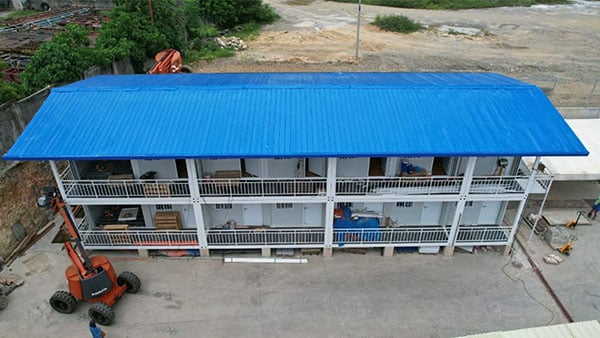
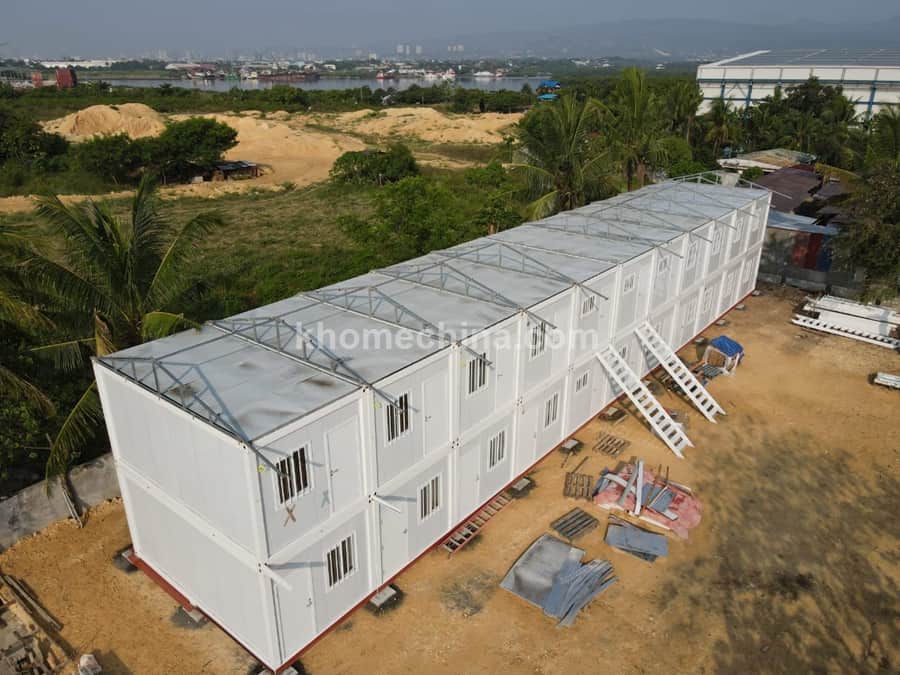
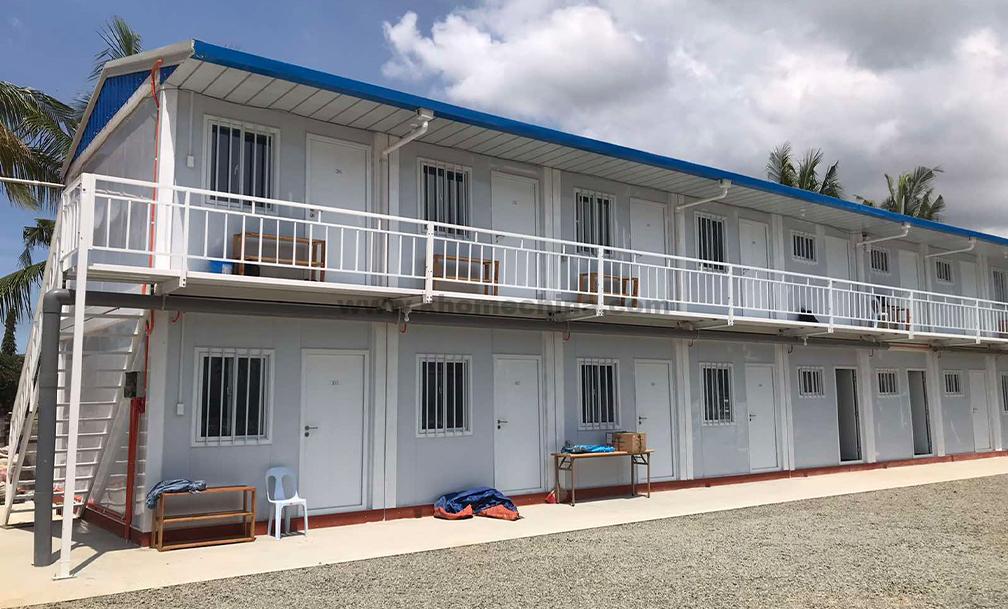
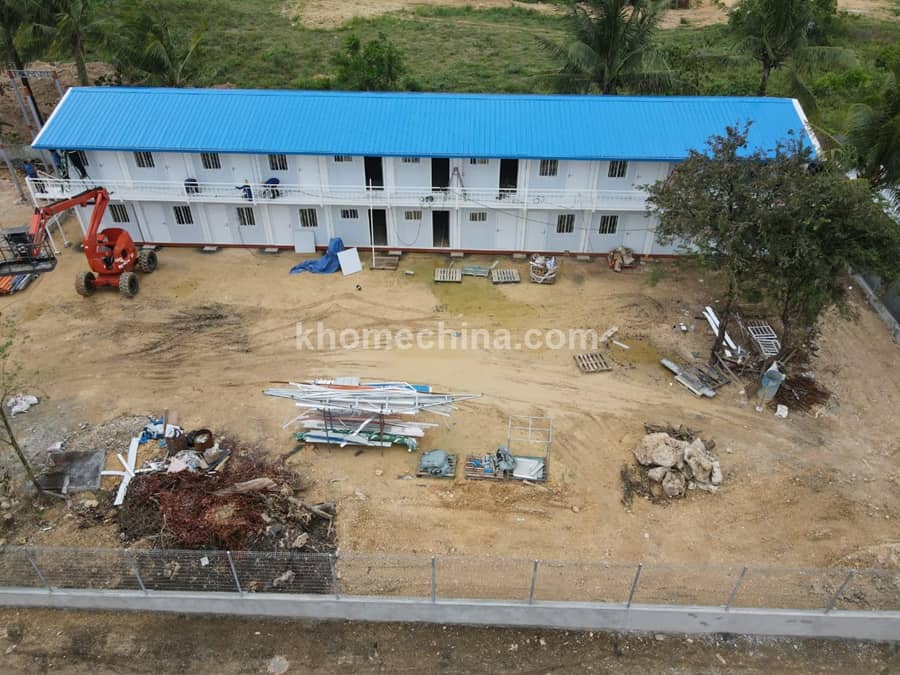
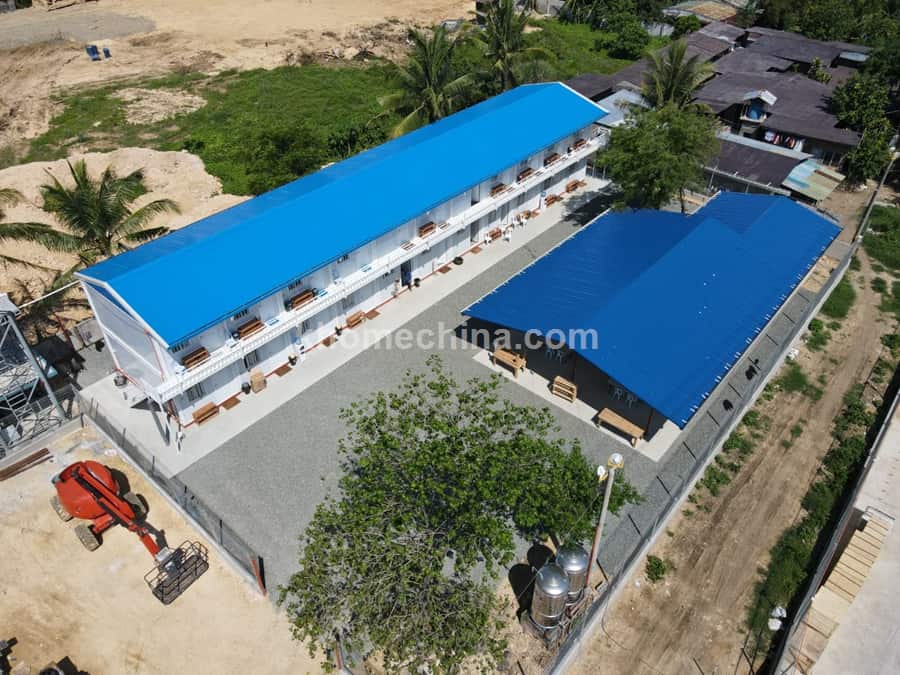
This project is a worker dormitory in Cebu, where both the accommodation and ablution adopt prefab container houses, totaling 22 modules.
Considering the local hot and humid climate, all main frames first undergo hot-dip galvanizing treatment followed by professional spraying. This dual protection can resist the erosion of high-salt air in Cebu’s coastal areas, extending the frame’s service life. This process withstood the continuous high-humidity environment during Cebu’s rainy season in 2023, and after 6 months of use, the frames showed no signs of rust, ensuring the long-term stability of the dormitory structure.
In addition, we have upgraded the floor materials by using fiber cement boards, which are not only lightweight and high-strength but also fire-resistant, waterproof, moisture-proof, and corrosion-resistant. Practical use shows that the floors have no warping issues, solving the persistent problem of damp floors in traditional dormitories.
Furthermore, due to the heavy rainfall in Cebu, we recommended a secondary roof for the client, creating a 15-20cm air buffer layer. It can block over 70% of solar radiant heat in summer, reducing the indoor temperature by 3-5℃. Meanwhile, the secondary roof adopts an optimized slope of 15° to accelerate drainage and prevent water accumulation from seeping into the room.
For the ablution area, we have elevated the drainage and added long floor drains to ensure rapid drainage of bathing wastewater. These detailed upgrades allow the 22 container dormitories to meet the daily living needs of 45 workers while significantly reducing long-term maintenance costs, truly realizing the core advantages of prefab container house: “quick to build, long-lasting to use, and comfortable to live in.”
Factors Affecting Prefab Container House Cost
The price of prefab container houses is influenced by multiple factors, which are related not only to product configurations but also to various links such as transportation. Here are the core influencing factors:
Material Configuration
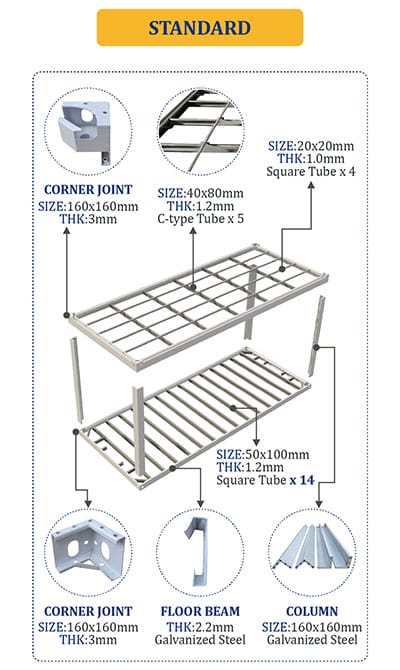
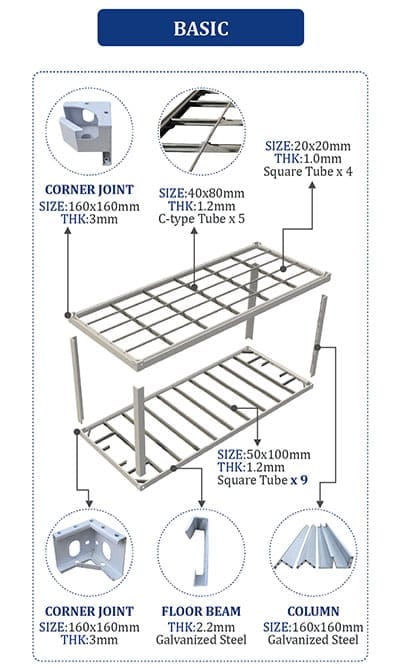
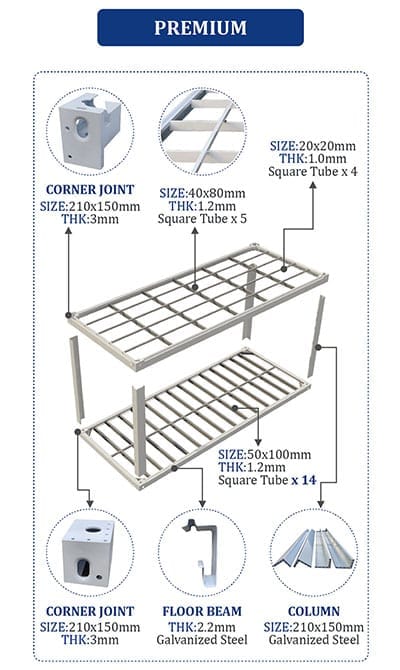
As a core cost component of prefab container houses, material configuration directly determines the basic pricing. Taking our standard-sized single container as an example, customers often choose from three configurations: basic, standard, and premium, with EXW prices ranging from 1450 USD to 2250 USD.
Customized Design Requirements
The price of standardized prefabricated houses is relatively stable, while customized requirements will push up costs. For instance, if a customer requests upgrading the EPS insulation layer of the composite wall from 50mm to 80mm to enhance heat insulation, the material cost will increase by over 20%. In addition, non-standard size modules (such as a 3.5-meter-wide bedroom unit) require adjustments to production line parameters, so their price is about 20% higher than that of standard modules.
Fluctuations in Transportation and Logistics Costs
The distance from K-HOME factory to the destination in Cebu directly affects the final price. Shipping costs are significantly influenced by factors such as peak seasons and fuel surcharges. For example, during the rainy season (June-November) when Cebu ports are congested, the unit price of container shipping may rise by 20%-30%. If the project is located in remote areas of Cebu, additional barge transportation fees are required, accounting for 15%-20% of total logistics costs. Moreover, transportation insurance fees (usually 0.5%-1% of the cargo value) are dynamically adjusted based on cargo value and transportation risks, and insurance costs may increase by 50% during typhoon seasons.
Order Quantity and Delivery Time
The order quantity directly affects the unit production cost. When the order quantity is large, factories can achieve large-scale production, reducing raw material procurement costs and naturally lowering the overall price. If customers require urgent delivery, we need to pay overtime wages for workers and production line expediting fees, which will increase costs accordingly.
Prefab Container House Cebu Manufacturer | Direct Supply from factory
Rich Export Experience: K-Home has export experience over 15 years. During its deep cultivation in the Southeast Asian market, K-Home has provided prefab container houses to many Philippine enterprises, including established construction corporations like EEI.
Advanced Production Technology: With advanced production equipment as its core competitiveness, K-Home realizes full-process precision prefabrication from steel cutting to module assembly. As more and more customers demand customization, we purchased an advanced laser cutting machine in 2024 specifically for customized products.
Professional and Efficient Team: Relying on a complete department structure, K-Home has built a full-process service system from demand to delivery. Take an emergency camp project in the Philippines as an example: the design department conducts customized design based on on-site climate data; the supply chain department actively coordinates production to shorten the delivery time to 15 days; quality inspectors conduct on-site inspection before loading and mark the components properly; the logistics tracking department updates shipping information in real-time to avoid port delay risks during the rainy season, ensuring customers have a worry-free experience throughout the process.

Authoritative Certification and Reports: K-Home’s container houses are ISO and EU CE certified. In addition, we can obtain other certifications according to customer needs, such as wall panel fire resistance certification, floor asbestos-free certification.
Precise Adaptation with Global Market Experience: With rich practices in markets such as Southeast Asia, Africa, and Europe, K-Home has a good understanding of import certifications in different regions. Such as ECTN and COC certifications for Cameroon, SABER certification for Saudi Arabia, and CNAS and NATA certifications for Australia. We will remind customers to handle these certificates in a timely manner before they place orders to avoid problems in later customs clearance.
SEND A MESSAGE